
Get trending papers in your email inbox once a day!
Get trending papers in your email inbox!
Subscribe


GPT-4 Doesn't Know It's Wrong: An Analysis of Iterative Prompting for Reasoning Problems
There has been considerable divergence of opinion on the reasoning abilities of Large Language Models (LLMs). While the initial optimism that reasoning might emerge automatically with scale has been tempered thanks to a slew of counterexamples, a wide spread belief in their iterative self-critique capabilities persists. In this paper, we set out to systematically investigate the effectiveness of iterative prompting of LLMs in the context of Graph Coloring, a canonical NP-complete reasoning problem that is related to propositional satisfiability as well as practical problems like scheduling and allocation. We present a principled empirical study of the performance of GPT4 in solving graph coloring instances or verifying the correctness of candidate colorings. In iterative modes, we experiment with the model critiquing its own answers and an external correct reasoner verifying proposed solutions. In both cases, we analyze whether the content of the criticisms actually affects bottom line performance. The study seems to indicate that (i) LLMs are bad at solving graph coloring instances (ii) they are no better at verifying a solution--and thus are not effective in iterative modes with LLMs critiquing LLM-generated solutions (iii) the correctness and content of the criticisms--whether by LLMs or external solvers--seems largely irrelevant to the performance of iterative prompting. We show that the observed increase in effectiveness is largely due to the correct solution being fortuitously present in the top-k completions of the prompt (and being recognized as such by an external verifier). Our results thus call into question claims about the self-critiquing capabilities of state of the art LLMs.
Iterative SE(3)-Transformers
When manipulating three-dimensional data, it is possible to ensure that rotational and translational symmetries are respected by applying so-called SE(3)-equivariant models. Protein structure prediction is a prominent example of a task which displays these symmetries. Recent work in this area has successfully made use of an SE(3)-equivariant model, applying an iterative SE(3)-equivariant attention mechanism. Motivated by this application, we implement an iterative version of the SE(3)-Transformer, an SE(3)-equivariant attention-based model for graph data. We address the additional complications which arise when applying the SE(3)-Transformer in an iterative fashion, compare the iterative and single-pass versions on a toy problem, and consider why an iterative model may be beneficial in some problem settings. We make the code for our implementation available to the community.
Can Large Language Models Really Improve by Self-critiquing Their Own Plans?
There have been widespread claims about Large Language Models (LLMs) being able to successfully verify or self-critique their candidate solutions in reasoning problems in an iterative mode. Intrigued by those claims, in this paper we set out to investigate the verification/self-critiquing abilities of large language models in the context of planning. We evaluate a planning system that employs LLMs for both plan generation and verification. We assess the verifier LLM's performance against ground-truth verification, the impact of self-critiquing on plan generation, and the influence of varying feedback levels on system performance. Using GPT-4, a state-of-the-art LLM, for both generation and verification, our findings reveal that self-critiquing appears to diminish plan generation performance, especially when compared to systems with external, sound verifiers and the LLM verifiers in that system produce a notable number of false positives, compromising the system's reliability. Additionally, the nature of feedback, whether binary or detailed, showed minimal impact on plan generation. Collectively, our results cast doubt on the effectiveness of LLMs in a self-critiquing, iterative framework for planning tasks.

PhysUniBench: An Undergraduate-Level Physics Reasoning Benchmark for Multimodal Models
Physics problem-solving is a challenging domain for large AI models, requiring integration of conceptual understanding, mathematical reasoning, and interpretation of physical diagrams. Current evaluation methodologies show notable limitations in capturing the breadth and complexity of undergraduate-level physics, underscoring the need for more rigorous assessments. To this end, we present PhysUniBench, a large-scale multimodal benchmark designed to evaluate and improve the reasoning capabilities of multimodal large language models (MLLMs) specifically on undergraduate-level physics problems. PhysUniBench consists of 3,304 physics questions spanning 8 major sub-disciplines of physics, each accompanied by one visual diagrams. The benchmark includes both open-ended and multiple-choice questions, systematically curated and difficulty-rated through an iterative model-in-the-loop process. The benchmark's construction involved a rigorous multi-stage process, including multiple roll-outs, expert-level evaluation, automated filtering of easily solved problems, and a nuanced difficulty grading system with five levels. Through extensive experiments, we observe that current state-of-the-art models encounter substantial challenges in physics reasoning. For example, GPT-4o mini achieves only about 34.2\% accuracy in the proposed PhysUniBench. These results highlight that current MLLMs struggle with advanced physics reasoning, especially on multi-step problems and those requiring precise diagram interpretation. By providing a broad and rigorous assessment tool, PhysUniBench aims to drive progress in AI for Science, encouraging the development of models with stronger physical reasoning, problem-solving skills, and multimodal understanding. The benchmark and evaluation scripts are available at https://prismax-team.github.io/PhysUniBenchmark/.




A Survey of Scaling in Large Language Model Reasoning
The rapid advancements in large Language models (LLMs) have significantly enhanced their reasoning capabilities, driven by various strategies such as multi-agent collaboration. However, unlike the well-established performance improvements achieved through scaling data and model size, the scaling of reasoning in LLMs is more complex and can even negatively impact reasoning performance, introducing new challenges in model alignment and robustness. In this survey, we provide a comprehensive examination of scaling in LLM reasoning, categorizing it into multiple dimensions and analyzing how and to what extent different scaling strategies contribute to improving reasoning capabilities. We begin by exploring scaling in input size, which enables LLMs to process and utilize more extensive context for improved reasoning. Next, we analyze scaling in reasoning steps that improves multi-step inference and logical consistency. We then examine scaling in reasoning rounds, where iterative interactions refine reasoning outcomes. Furthermore, we discuss scaling in training-enabled reasoning, focusing on optimization through iterative model improvement. Finally, we review applications of scaling across domains and outline future directions for further advancing LLM reasoning. By synthesizing these diverse perspectives, this survey aims to provide insights into how scaling strategies fundamentally enhance the reasoning capabilities of LLMs and further guide the development of next-generation AI systems.
Error-Driven Scene Editing for 3D Grounding in Large Language Models
Despite recent progress in 3D-LLMs, they remain limited in accurately grounding language to visual and spatial elements in 3D environments. This limitation stems in part from training data that focuses on language reasoning rather than spatial understanding due to scarce 3D resources, leaving inherent grounding biases unresolved. To address this, we propose 3D scene editing as a key mechanism to generate precise visual counterfactuals that mitigate these biases through fine-grained spatial manipulation, without requiring costly scene reconstruction or large-scale 3D data collection. Furthermore, to make these edits targeted and directly address the specific weaknesses of the model, we introduce DEER-3D, an error-driven framework following a structured "Decompose, Diagnostic Evaluation, Edit, and Re-train" workflow, rather than broadly or randomly augmenting data as in conventional approaches. Specifically, upon identifying a grounding failure of the 3D-LLM, our framework first diagnoses the exact predicate-level error (e.g., attribute or spatial relation). It then executes minimal, predicate-aligned 3D scene edits, such as recoloring or repositioning, to produce targeted counterfactual supervision for iterative model fine-tuning, significantly enhancing grounding accuracy. We evaluate our editing pipeline across multiple benchmarks for 3D grounding and scene understanding tasks, consistently demonstrating improvements across all evaluated datasets through iterative refinement. DEER-3D underscores the effectiveness of targeted, error-driven scene editing in bridging linguistic reasoning capabilities with spatial grounding in 3D LLMs.

FACT-AUDIT: An Adaptive Multi-Agent Framework for Dynamic Fact-Checking Evaluation of Large Language Models
Large Language Models (LLMs) have significantly advanced the fact-checking studies. However, existing automated fact-checking evaluation methods rely on static datasets and classification metrics, which fail to automatically evaluate the justification production and uncover the nuanced limitations of LLMs in fact-checking. In this work, we introduce FACT-AUDIT, an agent-driven framework that adaptively and dynamically assesses LLMs' fact-checking capabilities. Leveraging importance sampling principles and multi-agent collaboration, FACT-AUDIT generates adaptive and scalable datasets, performs iterative model-centric evaluations, and updates assessments based on model-specific responses. By incorporating justification production alongside verdict prediction, this framework provides a comprehensive and evolving audit of LLMs' factual reasoning capabilities, to investigate their trustworthiness. Extensive experiments demonstrate that FACT-AUDIT effectively differentiates among state-of-the-art LLMs, providing valuable insights into model strengths and limitations in model-centric fact-checking analysis.


Communication-Efficient Learning of Deep Networks from Decentralized Data
Modern mobile devices have access to a wealth of data suitable for learning models, which in turn can greatly improve the user experience on the device. For example, language models can improve speech recognition and text entry, and image models can automatically select good photos. However, this rich data is often privacy sensitive, large in quantity, or both, which may preclude logging to the data center and training there using conventional approaches. We advocate an alternative that leaves the training data distributed on the mobile devices, and learns a shared model by aggregating locally-computed updates. We term this decentralized approach Federated Learning. We present a practical method for the federated learning of deep networks based on iterative model averaging, and conduct an extensive empirical evaluation, considering five different model architectures and four datasets. These experiments demonstrate the approach is robust to the unbalanced and non-IID data distributions that are a defining characteristic of this setting. Communication costs are the principal constraint, and we show a reduction in required communication rounds by 10-100x as compared to synchronized stochastic gradient descent.
Hunyuan-DiT: A Powerful Multi-Resolution Diffusion Transformer with Fine-Grained Chinese Understanding
We present Hunyuan-DiT, a text-to-image diffusion transformer with fine-grained understanding of both English and Chinese. To construct Hunyuan-DiT, we carefully design the transformer structure, text encoder, and positional encoding. We also build from scratch a whole data pipeline to update and evaluate data for iterative model optimization. For fine-grained language understanding, we train a Multimodal Large Language Model to refine the captions of the images. Finally, Hunyuan-DiT can perform multi-turn multimodal dialogue with users, generating and refining images according to the context. Through our holistic human evaluation protocol with more than 50 professional human evaluators, Hunyuan-DiT sets a new state-of-the-art in Chinese-to-image generation compared with other open-source models. Code and pretrained models are publicly available at github.com/Tencent/HunyuanDiT


IterVM: Iterative Vision Modeling Module for Scene Text Recognition
Scene text recognition (STR) is a challenging problem due to the imperfect imagery conditions in natural images. State-of-the-art methods utilize both visual cues and linguistic knowledge to tackle this challenging problem. Specifically, they propose iterative language modeling module (IterLM) to repeatedly refine the output sequence from the visual modeling module (VM). Though achieving promising results, the vision modeling module has become the performance bottleneck of these methods. In this paper, we newly propose iterative vision modeling module (IterVM) to further improve the STR accuracy. Specifically, the first VM directly extracts multi-level features from the input image, and the following VMs re-extract multi-level features from the input image and fuse them with the high-level (i.e., the most semantic one) feature extracted by the previous VM. By combining the proposed IterVM with iterative language modeling module, we further propose a powerful scene text recognizer called IterNet. Extensive experiments demonstrate that the proposed IterVM can significantly improve the scene text recognition accuracy, especially on low-quality scene text images. Moreover, the proposed scene text recognizer IterNet achieves new state-of-the-art results on several public benchmarks. Codes will be available at https://github.com/VDIGPKU/IterNet.
Towards Authentic Face Restoration with Iterative Diffusion Models and Beyond
An authentic face restoration system is becoming increasingly demanding in many computer vision applications, e.g., image enhancement, video communication, and taking portrait. Most of the advanced face restoration models can recover high-quality faces from low-quality ones but usually fail to faithfully generate realistic and high-frequency details that are favored by users. To achieve authentic restoration, we propose IDM, an Iteratively learned face restoration system based on denoising Diffusion Models (DDMs). We define the criterion of an authentic face restoration system, and argue that denoising diffusion models are naturally endowed with this property from two aspects: intrinsic iterative refinement and extrinsic iterative enhancement. Intrinsic learning can preserve the content well and gradually refine the high-quality details, while extrinsic enhancement helps clean the data and improve the restoration task one step further. We demonstrate superior performance on blind face restoration tasks. Beyond restoration, we find the authentically cleaned data by the proposed restoration system is also helpful to image generation tasks in terms of training stabilization and sample quality. Without modifying the models, we achieve better quality than state-of-the-art on FFHQ and ImageNet generation using either GANs or diffusion models.

Read Like Humans: Autonomous, Bidirectional and Iterative Language Modeling for Scene Text Recognition
Linguistic knowledge is of great benefit to scene text recognition. However, how to effectively model linguistic rules in end-to-end deep networks remains a research challenge. In this paper, we argue that the limited capacity of language models comes from: 1) implicitly language modeling; 2) unidirectional feature representation; and 3) language model with noise input. Correspondingly, we propose an autonomous, bidirectional and iterative ABINet for scene text recognition. Firstly, the autonomous suggests to block gradient flow between vision and language models to enforce explicitly language modeling. Secondly, a novel bidirectional cloze network (BCN) as the language model is proposed based on bidirectional feature representation. Thirdly, we propose an execution manner of iterative correction for language model which can effectively alleviate the impact of noise input. Additionally, based on the ensemble of iterative predictions, we propose a self-training method which can learn from unlabeled images effectively. Extensive experiments indicate that ABINet has superiority on low-quality images and achieves state-of-the-art results on several mainstream benchmarks. Besides, the ABINet trained with ensemble self-training shows promising improvement in realizing human-level recognition. Code is available at https://github.com/FangShancheng/ABINet.

ABINet++: Autonomous, Bidirectional and Iterative Language Modeling for Scene Text Spotting
Scene text spotting is of great importance to the computer vision community due to its wide variety of applications. Recent methods attempt to introduce linguistic knowledge for challenging recognition rather than pure visual classification. However, how to effectively model the linguistic rules in end-to-end deep networks remains a research challenge. In this paper, we argue that the limited capacity of language models comes from 1) implicit language modeling; 2) unidirectional feature representation; and 3) language model with noise input. Correspondingly, we propose an autonomous, bidirectional and iterative ABINet++ for scene text spotting. Firstly, the autonomous suggests enforcing explicitly language modeling by decoupling the recognizer into vision model and language model and blocking gradient flow between both models. Secondly, a novel bidirectional cloze network (BCN) as the language model is proposed based on bidirectional feature representation. Thirdly, we propose an execution manner of iterative correction for the language model which can effectively alleviate the impact of noise input. Finally, to polish ABINet++ in long text recognition, we propose to aggregate horizontal features by embedding Transformer units inside a U-Net, and design a position and content attention module which integrates character order and content to attend to character features precisely. ABINet++ achieves state-of-the-art performance on both scene text recognition and scene text spotting benchmarks, which consistently demonstrates the superiority of our method in various environments especially on low-quality images. Besides, extensive experiments including in English and Chinese also prove that, a text spotter that incorporates our language modeling method can significantly improve its performance both in accuracy and speed compared with commonly used attention-based recognizers.
Transition Models: Rethinking the Generative Learning Objective
A fundamental dilemma in generative modeling persists: iterative diffusion models achieve outstanding fidelity, but at a significant computational cost, while efficient few-step alternatives are constrained by a hard quality ceiling. This conflict between generation steps and output quality arises from restrictive training objectives that focus exclusively on either infinitesimal dynamics (PF-ODEs) or direct endpoint prediction. We address this challenge by introducing an exact, continuous-time dynamics equation that analytically defines state transitions across any finite time interval. This leads to a novel generative paradigm, Transition Models (TiM), which adapt to arbitrary-step transitions, seamlessly traversing the generative trajectory from single leaps to fine-grained refinement with more steps. Despite having only 865M parameters, TiM achieves state-of-the-art performance, surpassing leading models such as SD3.5 (8B parameters) and FLUX.1 (12B parameters) across all evaluated step counts. Importantly, unlike previous few-step generators, TiM demonstrates monotonic quality improvement as the sampling budget increases. Additionally, when employing our native-resolution strategy, TiM delivers exceptional fidelity at resolutions up to 4096x4096.


KiRAG: Knowledge-Driven Iterative Retriever for Enhancing Retrieval-Augmented Generation
Iterative retrieval-augmented generation (iRAG) models offer an effective approach for multi-hop question answering (QA). However, their retrieval process faces two key challenges: (1) it can be disrupted by irrelevant documents or factually inaccurate chain-of-thoughts; (2) their retrievers are not designed to dynamically adapt to the evolving information needs in multi-step reasoning, making it difficult to identify and retrieve the missing information required at each iterative step. Therefore, we propose KiRAG, which uses a knowledge-driven iterative retriever model to enhance the retrieval process of iRAG. Specifically, KiRAG decomposes documents into knowledge triples and performs iterative retrieval with these triples to enable a factually reliable retrieval process. Moreover, KiRAG integrates reasoning into the retrieval process to dynamically identify and retrieve knowledge that bridges information gaps, effectively adapting to the evolving information needs. Empirical results show that KiRAG significantly outperforms existing iRAG models, with an average improvement of 9.40% in R@3 and 5.14% in F1 on multi-hop QA.


Auto-RAG: Autonomous Retrieval-Augmented Generation for Large Language Models
Iterative retrieval refers to the process in which the model continuously queries the retriever during generation to enhance the relevance of the retrieved knowledge, thereby improving the performance of Retrieval-Augmented Generation (RAG). Existing work typically employs few-shot prompting or manually constructed rules to implement iterative retrieval. This introduces additional inference overhead and overlooks the remarkable reasoning capabilities of Large Language Models (LLMs). In this paper, we introduce Auto-RAG, an autonomous iterative retrieval model centered on the LLM's powerful decision-making capabilities. Auto-RAG engages in multi-turn dialogues with the retriever, systematically planning retrievals and refining queries to acquire valuable knowledge. This process continues until sufficient external information is gathered, at which point the results are presented to the user. To this end, we develop a method for autonomously synthesizing reasoning-based decision-making instructions in iterative retrieval and fine-tuned the latest open-source LLMs. The experimental results indicate that Auto-RAG is capable of autonomous iterative interaction with the retriever, effectively leveraging the remarkable reasoning and decision-making abilities of LLMs, which lead to outstanding performance across six benchmarks. Further analysis reveals that Auto-RAG can autonomously adjust the number of iterations based on the difficulty of the questions and the utility of the retrieved knowledge, without requiring any human intervention. Moreover, Auto-RAG expresses the iterative retrieval process in natural language, enhancing interpretability while providing users with a more intuitive experienceCode is available at \url{https://github.com/ictnlp/Auto-RAG.
Domain-Hierarchy Adaptation via Chain of Iterative Reasoning for Few-shot Hierarchical Text Classification
Recently, various pre-trained language models (PLMs) have been proposed to prove their impressive performances on a wide range of few-shot tasks. However, limited by the unstructured prior knowledge in PLMs, it is difficult to maintain consistent performance on complex structured scenarios, such as hierarchical text classification (HTC), especially when the downstream data is extremely scarce. The main challenge is how to transfer the unstructured semantic space in PLMs to the downstream domain hierarchy. Unlike previous work on HTC which directly performs multi-label classification or uses graph neural network (GNN) to inject label hierarchy, in this work, we study the HTC problem under a few-shot setting to adapt knowledge in PLMs from an unstructured manner to the downstream hierarchy. Technically, we design a simple yet effective method named Hierarchical Iterative Conditional Random Field (HierICRF) to search the most domain-challenging directions and exquisitely crafts domain-hierarchy adaptation as a hierarchical iterative language modeling problem, and then it encourages the model to make hierarchical consistency self-correction during the inference, thereby achieving knowledge transfer with hierarchical consistency preservation. We perform HierICRF on various architectures, and extensive experiments on two popular HTC datasets demonstrate that prompt with HierICRF significantly boosts the few-shot HTC performance with an average Micro-F1 by 28.80% to 1.50% and Macro-F1 by 36.29% to 1.5% over the previous state-of-the-art (SOTA) baselines under few-shot settings, while remaining SOTA hierarchical consistency performance.

Towards image compression with perfect realism at ultra-low bitrates
Image codecs are typically optimized to trade-off bitrate \vs distortion metrics. At low bitrates, this leads to compression artefacts which are easily perceptible, even when training with perceptual or adversarial losses. To improve image quality and remove dependency on the bitrate, we propose to decode with iterative diffusion models. We condition the decoding process on a vector-quantized image representation, as well as a global image description to provide additional context. We dub our model PerCo for 'perceptual compression', and compare it to state-of-the-art codecs at rates from 0.1 down to 0.003 bits per pixel. The latter rate is more than an order of magnitude smaller than those considered in most prior work, compressing a 512x768 Kodak image with less than 153 bytes. Despite this ultra-low bitrate, our approach maintains the ability to reconstruct realistic images. We find that our model leads to reconstructions with state-of-the-art visual quality as measured by FID and KID. As predicted by rate-distortion-perception theory, visual quality is less dependent on the bitrate than previous methods.

GIVT: Generative Infinite-Vocabulary Transformers
We introduce generative infinite-vocabulary transformers (GIVT) which generate vector sequences with real-valued entries, instead of discrete tokens from a finite vocabulary. To this end, we propose two surprisingly simple modifications to decoder-only transformers: 1) at the input, we replace the finite-vocabulary lookup table with a linear projection of the input vectors; and 2) at the output, we replace the logits prediction (usually mapped to a categorical distribution) with the parameters of a multivariate Gaussian mixture model. Inspired by the image-generation paradigm of VQ-GAN and MaskGIT, where transformers are used to model the discrete latent sequences of a VQ-VAE, we use GIVT to model the unquantized real-valued latent sequences of a VAE. When applying GIVT to class-conditional image generation with iterative masked modeling, we show competitive results with MaskGIT, while our approach outperforms both VQ-GAN and MaskGIT when using it for causal modeling. Finally, we obtain competitive results outside of image generation when applying our approach to panoptic segmentation and depth estimation with a VAE-based variant of the UViM framework.

Class-dependent Compression of Deep Neural Networks
Today's deep neural networks require substantial computation resources for their training, storage, and inference, which limits their effective use on resource-constrained devices. Many recent research activities explore different options for compressing and optimizing deep models. On the one hand, in many real-world applications, we face the data imbalance challenge, i.e. when the number of labeled instances of one class considerably outweighs the number of labeled instances of the other class. On the other hand, applications may pose a class imbalance problem, i.e. higher number of false positives produced when training a model and optimizing its performance may be tolerable, yet the number of false negatives must stay low. The problem originates from the fact that some classes are more important for the application than others, e.g. detection problems in medical and surveillance domains. Motivated by the success of the lottery ticket hypothesis, in this paper we propose an iterative deep model compression technique, which keeps the number of false negatives of the compressed model close to the one of the original model at the price of increasing the number of false positives if necessary. Our experimental evaluation using two benchmark data sets shows that the resulting compressed sub-networks 1) achieve up to 35% lower number of false negatives than the compressed model without class optimization, 2) provide an overall higher AUC_ROC measure, and 3) use up to 99% fewer parameters compared to the original network.
Interpretable Proof Generation via Iterative Backward Reasoning
We present IBR, an Iterative Backward Reasoning model to solve the proof generation tasks on rule-based Question Answering (QA), where models are required to reason over a series of textual rules and facts to find out the related proof path and derive the final answer. We handle the limitations of existed works in two folds: 1) enhance the interpretability of reasoning procedures with detailed tracking, by predicting nodes and edges in the proof path iteratively backward from the question; 2) promote the efficiency and accuracy via reasoning on the elaborate representations of nodes and history paths, without any intermediate texts that may introduce external noise during proof generation. There are three main modules in IBR, QA and proof strategy prediction to obtain the answer and offer guidance for the following procedure; parent node prediction to determine a node in the existing proof that a new child node will link to; child node prediction to find out which new node will be added to the proof. Experiments on both synthetic and paraphrased datasets demonstrate that IBR has better in-domain performance as well as cross-domain transferability than several strong baselines. Our code and models are available at https://github.com/find-knowledge/IBR .

Reasons to Reject? Aligning Language Models with Judgments
As humans, we consistently engage in interactions with our peers and receive feedback in the form of natural language. This language feedback allows us to reflect on our actions, maintain appropriate behavior, and rectify our errors. The question arises naturally: can we use language feedback to align large language models (LLMs)? In contrast to previous research that aligns LLMs with reward or preference data, we present the first systematic exploration of alignment through the lens of language feedback (i.e., judgment). We commence with an in-depth investigation of potential methods that can be adapted for aligning LLMs with judgments, revealing that these methods are unable to fully capitalize on the judgments. To facilitate more effective utilization of judgments, we propose a novel framework, Contrastive Unlikelihood Training (CUT), that allows for fine-grained inappropriate content detection and correction based on judgments. Our offline alignment results show that, with merely 1317 off-the-shelf judgment data, CUT (LLaMA2-13b) can beat the 175B DaVinci003 and surpass the best baseline by 52.34 points on AlpacaEval. The online alignment results demonstrate that CUT can align LLMs (LLaMA2-chat-13b) in an iterative fashion using model-specific judgment data, with a steady performance improvement from 81.09 to 91.36 points on AlpacaEval. Our analysis further suggests that judgments exhibit greater potential than rewards for LLM alignment and warrant future research.

Denoising Diffusion Implicit Models
Denoising diffusion probabilistic models (DDPMs) have achieved high quality image generation without adversarial training, yet they require simulating a Markov chain for many steps to produce a sample. To accelerate sampling, we present denoising diffusion implicit models (DDIMs), a more efficient class of iterative implicit probabilistic models with the same training procedure as DDPMs. In DDPMs, the generative process is defined as the reverse of a Markovian diffusion process. We construct a class of non-Markovian diffusion processes that lead to the same training objective, but whose reverse process can be much faster to sample from. We empirically demonstrate that DDIMs can produce high quality samples 10 times to 50 times faster in terms of wall-clock time compared to DDPMs, allow us to trade off computation for sample quality, and can perform semantically meaningful image interpolation directly in the latent space.
m1: Unleash the Potential of Test-Time Scaling for Medical Reasoning with Large Language Models
Test-time scaling has emerged as a powerful technique for enhancing the reasoning capabilities of large language models. However, its effectiveness in medical reasoning remains uncertain, as the medical domain fundamentally differs from mathematical tasks in terms of knowledge representation and decision-making processes. In this paper, we provide the first comprehensive investigation of test-time scaling for medical reasoning and present m1, a simple yet effective approach that increases a model's medical reasoning capability at inference. Our evaluation across diverse medical tasks demonstrates that test-time scaling consistently enhances medical reasoning, enabling lightweight fine-tuned models under 10B parameters to establish new state-of-the-art performance, while our 32B model rivals previous 70B-scale medical LLMs. However, we identify an optimal reasoning token budget of approximately 4K, beyond which performance may degrade due to overthinking. Budget forcing, which extends test-time computation through iterative prompts, helps models double-check answers but does not necessarily improve the overall medical QA performance and, in some cases, even introduces errors into previously correct responses. Our case-by-case analysis identifies insufficient medical knowledge as a key bottleneck that prevents further performance gains through test-time scaling. We find that increasing data scale, improving data quality, and expanding model capacity consistently enhance medical knowledge grounding, enabling continued performance improvements, particularly on challenging medical benchmarks where smaller models reach saturation. These findings underscore fundamental differences between medical and mathematical reasoning in LLMs, highlighting that enriched medical knowledge, other than increased reasoning depth alone, is essential for realizing the benefits of test-time scaling.



Score-based Idempotent Distillation of Diffusion Models
Idempotent generative networks (IGNs) are a new line of generative models based on idempotent mapping to a target manifold. IGNs support both single-and multi-step generation, allowing for a flexible trade-off between computational cost and sample quality. But similar to Generative Adversarial Networks (GANs), conventional IGNs require adversarial training and are prone to training instabilities and mode collapse. Diffusion and score-based models are popular approaches to generative modeling that iteratively transport samples from one distribution, usually a Gaussian, to a target data distribution. These models have gained popularity due to their stable training dynamics and high-fidelity generation quality. However, this stability and quality come at the cost of high computational cost, as the data must be transported incrementally along the entire trajectory. New sampling methods, model distillation, and consistency models have been developed to reduce the sampling cost and even perform one-shot sampling from diffusion models. In this work, we unite diffusion and IGNs by distilling idempotent models from diffusion model scores, called SIGN. Our proposed method is highly stable and does not require adversarial losses. We provide a theoretical analysis of our proposed score-based training methods and empirically show that IGNs can be effectively distilled from a pre-trained diffusion model, enabling faster inference than iterative score-based models. SIGNs can perform multi-step sampling, allowing users to trade off quality for efficiency. These models operate directly on the source domain; they can project corrupted or alternate distributions back onto the target manifold, enabling zero-shot editing of inputs. We validate our models on multiple image datasets, achieving state-of-the-art results for idempotent models on the CIFAR and CelebA datasets.
Dynamic Data Selection and Weighting for Iterative Back-Translation
Back-translation has proven to be an effective method to utilize monolingual data in neural machine translation (NMT), and iteratively conducting back-translation can further improve the model performance. Selecting which monolingual data to back-translate is crucial, as we require that the resulting synthetic data are of high quality and reflect the target domain. To achieve these two goals, data selection and weighting strategies have been proposed, with a common practice being to select samples close to the target domain but also dissimilar to the average general-domain text. In this paper, we provide insights into this commonly used approach and generalize it to a dynamic curriculum learning strategy, which is applied to iterative back-translation models. In addition, we propose weighting strategies based on both the current quality of the sentence and its improvement over the previous iteration. We evaluate our models on domain adaptation, low-resource, and high-resource MT settings and on two language pairs. Experimental results demonstrate that our methods achieve improvements of up to 1.8 BLEU points over competitive baselines.
STAR: Synthesis of Tailored Architectures
Iterative improvement of model architectures is fundamental to deep learning: Transformers first enabled scaling, and recent advances in model hybridization have pushed the quality-efficiency frontier. However, optimizing architectures remains challenging and expensive. Current automated or manual approaches fall short, largely due to limited progress in the design of search spaces and due to the simplicity of resulting patterns and heuristics. In this work, we propose a new approach for the synthesis of tailored architectures (STAR). Our approach combines a novel search space based on the theory of linear input-varying systems, supporting a hierarchical numerical encoding into architecture genomes. STAR genomes are automatically refined and recombined with gradient-free, evolutionary algorithms to optimize for multiple model quality and efficiency metrics. Using STAR, we optimize large populations of new architectures, leveraging diverse computational units and interconnection patterns, improving over highly-optimized Transformers and striped hybrid models on the frontier of quality, parameter size, and inference cache for autoregressive language modeling.
Evaluating Podcast Recommendations with Profile-Aware LLM-as-a-Judge
Evaluating personalized recommendations remains a central challenge, especially in long-form audio domains like podcasts, where traditional offline metrics suffer from exposure bias and online methods such as A/B testing are costly and operationally constrained. In this paper, we propose a novel framework that leverages Large Language Models (LLMs) as offline judges to assess the quality of podcast recommendations in a scalable and interpretable manner. Our two-stage profile-aware approach first constructs natural-language user profiles distilled from 90 days of listening history. These profiles summarize both topical interests and behavioral patterns, serving as compact, interpretable representations of user preferences. Rather than prompting the LLM with raw data, we use these profiles to provide high-level, semantically rich context-enabling the LLM to reason more effectively about alignment between a user's interests and recommended episodes. This reduces input complexity and improves interpretability. The LLM is then prompted to deliver fine-grained pointwise and pairwise judgments based on the profile-episode match. In a controlled study with 47 participants, our profile-aware judge matched human judgments with high fidelity and outperformed or matched a variant using raw listening histories. The framework enables efficient, profile-aware evaluation for iterative testing and model selection in recommender systems.


From Experts to a Generalist: Toward General Whole-Body Control for Humanoid Robots
Achieving general agile whole-body control on humanoid robots remains a major challenge due to diverse motion demands and data conflicts. While existing frameworks excel in training single motion-specific policies, they struggle to generalize across highly varied behaviors due to conflicting control requirements and mismatched data distributions. In this work, we propose BumbleBee (BB), an expert-generalist learning framework that combines motion clustering and sim-to-real adaptation to overcome these challenges. BB first leverages an autoencoder-based clustering method to group behaviorally similar motions using motion features and motion descriptions. Expert policies are then trained within each cluster and refined with real-world data through iterative delta action modeling to bridge the sim-to-real gap. Finally, these experts are distilled into a unified generalist controller that preserves agility and robustness across all motion types. Experiments on two simulations and a real humanoid robot demonstrate that BB achieves state-of-the-art general whole-body control, setting a new benchmark for agile, robust, and generalizable humanoid performance in the real world.

SPECS: Specificity-Enhanced CLIP-Score for Long Image Caption Evaluation
As interest grows in generating long, detailed image captions, standard evaluation metrics become increasingly unreliable. N-gram-based metrics though efficient, fail to capture semantic correctness. Representational Similarity (RS) metrics, designed to address this, initially saw limited use due to high computational costs, while today, despite advances in hardware, they remain unpopular due to low correlation to human judgments. Meanwhile, metrics based on large language models (LLMs) show strong correlation with human judgments, but remain too expensive for iterative use during model development. We introduce SPECS (Specificity-Enhanced CLIPScore), a reference-free RS metric tailored to long image captioning. SPECS modifies CLIP with a new objective that emphasizes specificity: rewarding correct details and penalizing incorrect ones. We show that SPECS matches the performance of open-source LLM-based metrics in correlation to human judgments, while being far more efficient. This makes it a practical alternative for iterative checkpoint evaluation during image captioning model development.Our code can be found at https://github.com/mbzuai-nlp/SPECS.
Iterative Object Count Optimization for Text-to-image Diffusion Models
We address a persistent challenge in text-to-image models: accurately generating a specified number of objects. Current models, which learn from image-text pairs, inherently struggle with counting, as training data cannot depict every possible number of objects for any given object. To solve this, we propose optimizing the generated image based on a counting loss derived from a counting model that aggregates an object\'s potential. Employing an out-of-the-box counting model is challenging for two reasons: first, the model requires a scaling hyperparameter for the potential aggregation that varies depending on the viewpoint of the objects, and second, classifier guidance techniques require modified models that operate on noisy intermediate diffusion steps. To address these challenges, we propose an iterated online training mode that improves the accuracy of inferred images while altering the text conditioning embedding and dynamically adjusting hyperparameters. Our method offers three key advantages: (i) it can consider non-derivable counting techniques based on detection models, (ii) it is a zero-shot plug-and-play solution facilitating rapid changes to the counting techniques and image generation methods, and (iii) the optimized counting token can be reused to generate accurate images without additional optimization. We evaluate the generation of various objects and show significant improvements in accuracy. The project page is available at https://ozzafar.github.io/count_token.
Iterative Prompt Relabeling for diffusion model with RLDF
Diffusion models have shown impressive performance in many domains, including image generation, time series prediction, and reinforcement learning. The algorithm demonstrates superior performance over the traditional GAN and transformer based methods. However, the model's capability to follow natural language instructions (e.g., spatial relationships between objects, generating complex scenes) is still unsatisfactory. This has been an important research area to enhance such capability. Prior works adopt reinforcement learning to adjust the behavior of the diffusion models. However, RL methods not only require careful reward design and complex hyperparameter tuning, but also fails to incorporate rich natural language feedback. In this work, we propose iterative prompt relabeling (IP-RLDF), a novel algorithm that aligns images to text through iterative image sampling and prompt relabeling. IP-RLDF first samples a batch of images conditioned on the text, then relabels the text prompts of unmatched text-image pairs with classifier feedback. We conduct thorough experiments on three different models, including SDv2, GLIGEN, and SDXL, testing their capability to generate images following instructions. With IP-RLDF, we improved up to 15.22% (absolute improvement) on the challenging spatial relation VISOR benchmark, demonstrating superior performance compared to previous RL methods.


CycleAlign: Iterative Distillation from Black-box LLM to White-box Models for Better Human Alignment
Language models trained on large-scale corpus often generate content that is harmful, toxic, or contrary to human preferences, making their alignment with human values a critical concern. Reinforcement learning from human feedback (RLHF) with algorithms like PPO is a prevalent approach for alignment but is often complex, unstable, and resource-intensive. Recently, ranking-based alignment methods have emerged, offering stability and effectiveness by replacing the RL framework with supervised fine-tuning, but they are costly due to the need for annotated data. Considering that existing large language models (LLMs) like ChatGPT are already relatively well-aligned and cost-friendly, researchers have begun to align the language model with human preference from AI feedback. The common practices, which unidirectionally distill the instruction-following responses from LLMs, are constrained by their bottleneck. Thus we introduce CycleAlign to distill alignment capabilities from parameter-invisible LLMs (black-box) to a parameter-visible model (white-box) in an iterative manner. With in-context learning (ICL) as the core of the cycle, the black-box models are able to rank the model-generated responses guided by human-craft instruction and demonstrations about their preferences. During iterative interaction, the white-box models also have a judgment about responses generated by them. Consequently, the agreement ranking could be viewed as a pseudo label to dynamically update the in-context demonstrations and improve the preference ranking ability of black-box models. Through multiple interactions, the CycleAlign framework could align the white-box model with the black-box model effectively in a low-resource way. Empirical results illustrate that the model fine-tuned by CycleAlign remarkably exceeds existing methods, and achieves the state-of-the-art performance in alignment with human value.
Iterative Translation Refinement with Large Language Models
Large language models have shown surprising performances in understanding instructions and performing natural language tasks. In this paper, we propose iterative translation refinement to leverage the power of large language models for more natural translation and post-editing. We show that by simply involving a large language model in an iterative process, the output quality improves beyond mere translation. Extensive test scenarios with GPT-3.5 reveal that although iterations reduce string-based metric scores, neural metrics indicate comparable if not improved translation quality. Further, human evaluations demonstrate that our method effectively reduces translationese compared to initial GPT translations and even human references, especially for into-English directions. Ablation studies underscore the importance of anchoring the refinement process to the source input and a reasonable initial translation.

IterComp: Iterative Composition-Aware Feedback Learning from Model Gallery for Text-to-Image Generation
Advanced diffusion models like RPG, Stable Diffusion 3 and FLUX have made notable strides in compositional text-to-image generation. However, these methods typically exhibit distinct strengths for compositional generation, with some excelling in handling attribute binding and others in spatial relationships. This disparity highlights the need for an approach that can leverage the complementary strengths of various models to comprehensively improve the composition capability. To this end, we introduce IterComp, a novel framework that aggregates composition-aware model preferences from multiple models and employs an iterative feedback learning approach to enhance compositional generation. Specifically, we curate a gallery of six powerful open-source diffusion models and evaluate their three key compositional metrics: attribute binding, spatial relationships, and non-spatial relationships. Based on these metrics, we develop a composition-aware model preference dataset comprising numerous image-rank pairs to train composition-aware reward models. Then, we propose an iterative feedback learning method to enhance compositionality in a closed-loop manner, enabling the progressive self-refinement of both the base diffusion model and reward models over multiple iterations. Theoretical proof demonstrates the effectiveness and extensive experiments show our significant superiority over previous SOTA methods (e.g., Omost and FLUX), particularly in multi-category object composition and complex semantic alignment. IterComp opens new research avenues in reward feedback learning for diffusion models and compositional generation. Code: https://github.com/YangLing0818/IterComp




Iterative $α$-(de)Blending: a Minimalist Deterministic Diffusion Model
We derive a minimalist but powerful deterministic denoising-diffusion model. While denoising diffusion has shown great success in many domains, its underlying theory remains largely inaccessible to non-expert users. Indeed, an understanding of graduate-level concepts such as Langevin dynamics or score matching appears to be required to grasp how it works. We propose an alternative approach that requires no more than undergrad calculus and probability. We consider two densities and observe what happens when random samples from these densities are blended (linearly interpolated). We show that iteratively blending and deblending samples produces random paths between the two densities that converge toward a deterministic mapping. This mapping can be evaluated with a neural network trained to deblend samples. We obtain a model that behaves like deterministic denoising diffusion: it iteratively maps samples from one density (e.g., Gaussian noise) to another (e.g., cat images). However, compared to the state-of-the-art alternative, our model is simpler to derive, simpler to implement, more numerically stable, achieves higher quality results in our experiments, and has interesting connections to computer graphics.
On the Stability of Iterative Retraining of Generative Models on their own Data
Deep generative models have made tremendous progress in modeling complex data, often exhibiting generation quality that surpasses a typical human's ability to discern the authenticity of samples. Undeniably, a key driver of this success is enabled by the massive amounts of web-scale data consumed by these models. Due to these models' striking performance and ease of availability, the web will inevitably be increasingly populated with synthetic content. Such a fact directly implies that future iterations of generative models must contend with the reality that their training is curated from both clean data and artificially generated data from past models. In this paper, we develop a framework to rigorously study the impact of training generative models on mixed datasets (of real and synthetic data) on their stability. We first prove the stability of iterative training under the condition that the initial generative models approximate the data distribution well enough and the proportion of clean training data (w.r.t. synthetic data) is large enough. We empirically validate our theory on both synthetic and natural images by iteratively training normalizing flows and state-of-the-art diffusion models on CIFAR10 and FFHQ.
Iterative Length-Regularized Direct Preference Optimization: A Case Study on Improving 7B Language Models to GPT-4 Level
Direct Preference Optimization (DPO), a standard method for aligning language models with human preferences, is traditionally applied to offline preferences. Recent studies show that DPO benefits from iterative training with online preferences labeled by a trained reward model. In this work, we identify a pitfall of vanilla iterative DPO - improved response quality can lead to increased verbosity. To address this, we introduce iterative length-regularized DPO (iLR-DPO) to penalize response length. Our empirical results show that iLR-DPO can enhance a 7B model to perform on par with GPT-4 without increasing verbosity. Specifically, our 7B model achieves a 50.5% length-controlled win rate against GPT-4 Preview on AlpacaEval 2.0, and excels across standard benchmarks including MT-Bench, Arena-Hard and OpenLLM Leaderboard. These results demonstrate the effectiveness of iterative DPO in aligning language models with human feedback.





ResearchAgent: Iterative Research Idea Generation over Scientific Literature with Large Language Models
Scientific Research, vital for improving human life, is hindered by its inherent complexity, slow pace, and the need for specialized experts. To enhance its productivity, we propose a ResearchAgent, a large language model-powered research idea writing agent, which automatically generates problems, methods, and experiment designs while iteratively refining them based on scientific literature. Specifically, starting with a core paper as the primary focus to generate ideas, our ResearchAgent is augmented not only with relevant publications through connecting information over an academic graph but also entities retrieved from an entity-centric knowledge store based on their underlying concepts, mined and shared across numerous papers. In addition, mirroring the human approach to iteratively improving ideas with peer discussions, we leverage multiple ReviewingAgents that provide reviews and feedback iteratively. Further, they are instantiated with human preference-aligned large language models whose criteria for evaluation are derived from actual human judgments. We experimentally validate our ResearchAgent on scientific publications across multiple disciplines, showcasing its effectiveness in generating novel, clear, and valid research ideas based on human and model-based evaluation results.

Enhancing Retrieval-Augmented Large Language Models with Iterative Retrieval-Generation Synergy
Large language models are powerful text processors and reasoners, but are still subject to limitations including outdated knowledge and hallucinations, which necessitates connecting them to the world. Retrieval-augmented large language models have raised extensive attention for grounding model generation on external knowledge. However, retrievers struggle to capture relevance, especially for queries with complex information needs. Recent work has proposed to improve relevance modeling by having large language models actively involved in retrieval, i.e., to improve retrieval with generation. In this paper, we show that strong performance can be achieved by a method we call Iter-RetGen, which synergizes retrieval and generation in an iterative manner. A model output shows what might be needed to finish a task, and thus provides an informative context for retrieving more relevant knowledge which in turn helps generate a better output in the next iteration. Compared with recent work which interleaves retrieval with generation when producing an output, Iter-RetGen processes all retrieved knowledge as a whole and largely preserves the flexibility in generation without structural constraints. We evaluate Iter-RetGen on multi-hop question answering, fact verification, and commonsense reasoning, and show that it can flexibly leverage parametric knowledge and non-parametric knowledge, and is superior to or competitive with state-of-the-art retrieval-augmented baselines while causing fewer overheads of retrieval and generation. We can further improve performance via generation-augmented retrieval adaptation.

DiffIER: Optimizing Diffusion Models with Iterative Error Reduction
Diffusion models have demonstrated remarkable capabilities in generating high-quality samples and enhancing performance across diverse domains through Classifier-Free Guidance (CFG). However, the quality of generated samples is highly sensitive to the selection of the guidance weight. In this work, we identify a critical ``training-inference gap'' and we argue that it is the presence of this gap that undermines the performance of conditional generation and renders outputs highly sensitive to the guidance weight. We quantify this gap by measuring the accumulated error during the inference stage and establish a correlation between the selection of guidance weight and minimizing this gap. Furthermore, to mitigate this gap, we propose DiffIER, an optimization-based method for high-quality generation. We demonstrate that the accumulated error can be effectively reduced by an iterative error minimization at each step during inference. By introducing this novel plug-and-play optimization framework, we enable the optimization of errors at every single inference step and enhance generation quality. Empirical results demonstrate that our proposed method outperforms baseline approaches in conditional generation tasks. Furthermore, the method achieves consistent success in text-to-image generation, image super-resolution, and text-to-speech generation, underscoring its versatility and potential for broad applications in future research.
Iterative Deepening Sampling for Large Language Models
The recent release of OpenAI's o1 models and other similar frameworks showcasing test-time scaling laws has demonstrated their exceptional capability to tackle complex reasoning tasks. Inspired by this, subsequent research has revealed that such test-time scaling laws hinge on the model's ability to search both within a single response (intra-response) and across multiple responses (inter-response) during training. Crucially, beyond selecting a single optimal response, the model must also develop robust self-correction capabilities within its own outputs. However, training models to achieve effective self-evaluation and self-correction remains a significant challenge, heavily dependent on the quality of self-reflection data. In this paper, we address this challenge by focusing on enhancing the quality of self-reflection data generation for complex problem-solving, which can subsequently improve the training of next-generation large language models (LLMs). Specifically, we explore how manually triggering a model's self-correction mechanisms can improve performance on challenging reasoning tasks. To this end, we propose a novel iterative deepening sampling algorithm framework designed to enhance self-correction and generate higher-quality samples. Through extensive experiments on Math500 and AIME benchmarks, we demonstrate that our method achieves a higher success rate on difficult tasks and provide detailed ablation studies to analyze its effectiveness across diverse settings.

Scalable iterative pruning of large language and vision models using block coordinate descent
Pruning neural networks, which involves removing a fraction of their weights, can often maintain high accuracy while significantly reducing model complexity, at least up to a certain limit. We present a neural network pruning technique that builds upon the Combinatorial Brain Surgeon, but solves an optimization problem over a subset of the network weights in an iterative, block-wise manner using block coordinate descent. The iterative, block-based nature of this pruning technique, which we dub ``iterative Combinatorial Brain Surgeon'' (iCBS) allows for scalability to very large models, including large language models (LLMs), that may not be feasible with a one-shot combinatorial optimization approach. When applied to large models like Mistral and DeiT, iCBS achieves higher performance metrics at the same density levels compared to existing pruning methods such as Wanda. This demonstrates the effectiveness of this iterative, block-wise pruning method in compressing and optimizing the performance of large deep learning models, even while optimizing over only a small fraction of the weights. Moreover, our approach allows for a quality-time (or cost) tradeoff that is not available when using a one-shot pruning technique alone. The block-wise formulation of the optimization problem enables the use of hardware accelerators, potentially offsetting the increased computational costs compared to one-shot pruning methods like Wanda. In particular, the optimization problem solved for each block is quantum-amenable in that it could, in principle, be solved by a quantum computer.

Semi-Supervised Reward Modeling via Iterative Self-Training
Reward models (RM) capture the values and preferences of humans and play a central role in Reinforcement Learning with Human Feedback (RLHF) to align pretrained large language models (LLMs). Traditionally, training these models relies on extensive human-annotated preference data, which poses significant challenges in terms of scalability and cost. To overcome these limitations, we propose Semi-Supervised Reward Modeling (SSRM), an approach that enhances RM training using unlabeled data. Given an unlabeled dataset, SSRM involves three key iterative steps: pseudo-labeling unlabeled examples, selecting high-confidence examples through a confidence threshold, and supervised finetuning on the refined dataset. Across extensive experiments on various model configurations, we demonstrate that SSRM significantly improves reward models without incurring additional labeling costs. Notably, SSRM can achieve performance comparable to models trained entirely on labeled data of equivalent volumes. Overall, SSRM substantially reduces the dependency on large volumes of human-annotated data, thereby decreasing the overall cost and time involved in training effective reward models.

i-SRT: Aligning Large Multimodal Models for Videos by Iterative Self-Retrospective Judgment
Aligning Video Large Multimodal Models (VLMMs) face challenges such as modality misalignment and verbose responses. Although iterative approaches such as self-rewarding or iterative direct preference optimization (DPO) recently showed a significant improvement in language model alignment, particularly on reasoning tasks, self-aligned models applied to large video-language models often result in lengthy and irrelevant responses. To address these challenges, we propose a novel method that employs self-retrospection to enhance both response generation and preference modeling, and call iterative self-retrospective judgment (i-SRT). By revisiting and evaluating already generated content and preference in loop, i-SRT improves the alignment between textual and visual modalities, reduce verbosity, and enhances content relevance. Our empirical evaluations across diverse video question answering benchmarks demonstrate that i-SRT significantly outperforms prior arts. We are committed to opensourcing our code, models, and datasets to encourage further investigation.



iLRM: An Iterative Large 3D Reconstruction Model
Feed-forward 3D modeling has emerged as a promising approach for rapid and high-quality 3D reconstruction. In particular, directly generating explicit 3D representations, such as 3D Gaussian splatting, has attracted significant attention due to its fast and high-quality rendering, as well as numerous applications. However, many state-of-the-art methods, primarily based on transformer architectures, suffer from severe scalability issues because they rely on full attention across image tokens from multiple input views, resulting in prohibitive computational costs as the number of views or image resolution increases. Toward a scalable and efficient feed-forward 3D reconstruction, we introduce an iterative Large 3D Reconstruction Model (iLRM) that generates 3D Gaussian representations through an iterative refinement mechanism, guided by three core principles: (1) decoupling the scene representation from input-view images to enable compact 3D representations; (2) decomposing fully-attentional multi-view interactions into a two-stage attention scheme to reduce computational costs; and (3) injecting high-resolution information at every layer to achieve high-fidelity reconstruction. Experimental results on widely used datasets, such as RE10K and DL3DV, demonstrate that iLRM outperforms existing methods in both reconstruction quality and speed. Notably, iLRM exhibits superior scalability, delivering significantly higher reconstruction quality under comparable computational cost by efficiently leveraging a larger number of input views.


VARGPT-v1.1: Improve Visual Autoregressive Large Unified Model via Iterative Instruction Tuning and Reinforcement Learning
In this work, we present VARGPT-v1.1, an advanced unified visual autoregressive model that builds upon our previous framework VARGPT. The model preserves the dual paradigm of next-token prediction for visual understanding and next-scale generation for image synthesis. Specifically, VARGPT-v1.1 integrates: (1) a novel training strategy combining iterative visual instruction tuning with reinforcement learning through Direct Preference Optimization (DPO), (2) an expanded training corpus containing 8.3M visual-generative instruction pairs, (3) an upgraded language model backbone using Qwen2, (4) enhanced image generation resolution, and (5) emergent image editing capabilities without architectural modifications. These advancements enable VARGPT-v1.1 to achieve state-of-the-art performance in multimodal understanding and text-to-image instruction-following tasks, demonstrating significant improvements in both comprehension and generation metrics. Notably, through visual instruction tuning, the model acquires image editing functionality while maintaining architectural consistency with its predecessor, revealing the potential for unified visual understanding, generation, and editing. Our findings suggest that well-designed unified visual autoregressive models can effectively adopt flexible training strategies from large language models (LLMs), exhibiting promising scalability. The codebase and model weights are publicly available at https://github.com/VARGPT-family/VARGPT-v1.1.
Iterative Forward Tuning Boosts In-Context Learning in Language Models
Despite the advancements in in-context learning (ICL) for large language models (LLMs), current research centers on specific prompt engineering, such as demonstration selection, with the expectation that a single iteration of demonstrations processing can generalize effectively to a given test sample. However, this perspective overlooks the potential benefits derived from multiple iterations involving demonstrations, a practice aligning more closely with the iterative decision-making process exhibited by humans, who often learn through analogy. In this study, we introduce a novel two-stage framework to boost ICL in LLMs. Specifically, our framework delineates the ICL process into two distinct stages: Deep-Thinking and test stages. The Deep-Thinking stage incorporates a unique attention mechanism, i.e., iterative enhanced attention, which enables multiple rounds of information accumulation. This mechanism operates by manipulating the Key-Value matrices without training, fostering enhanced understanding capabilities in LLMs by thinking demonstrations multiple times. We evaluated Deep-Thinking across a range of benchmarks and LLMs, showing its superior performance over vanilla ICL methods and its effectiveness in challenging tasks where demonstration selection is infeasible.


RefineCoder: Iterative Improving of Large Language Models via Adaptive Critique Refinement for Code Generation
Code generation has attracted increasing attention with the rise of Large Language Models (LLMs). Many studies have developed powerful code LLMs by synthesizing code-related instruction data and applying supervised fine-tuning. However, these methods are limited by teacher model distillation and ignore the potential of iterative refinement by self-generated code. In this paper, we propose Adaptive Critique Refinement (ACR), which enables the model to refine itself by self-generated code and external critique, rather than directly imitating the code responses of the teacher model. Concretely, ACR includes a composite scoring system with LLM-as-a-Judge to evaluate the quality of code responses and a selective critique strategy with LLM-as-a-Critic to critique self-generated low-quality code responses. We develop the RefineCoder series by iteratively applying ACR, achieving continuous performance improvement on multiple code generation benchmarks. Compared to the baselines of the same size, our proposed RefineCoder series can achieve comparable or even superior performance using less data.


Linear Feedback Control Systems for Iterative Prompt Optimization in Large Language Models
Large Language Models (LLMs) have revolutionized various applications by generating outputs based on given prompts. However, achieving the desired output requires iterative prompt refinement. This paper presents a novel approach that draws parallels between the iterative prompt optimization process in LLMs and feedback control systems. We iteratively refine the prompt by treating the deviation between the LLM output and the desired result as an error term until the output criteria are met. This process is akin to a feedback control system, where the LLM, despite being non-linear and non-deterministic, is managed using principles from linear feedback control systems. We explore the application of different types of controllers within this framework, providing a mathematical foundation for integrating linear feedback control mechanisms with LLMs.

Boosting Tool Use of Large Language Models via Iterative Reinforced Fine-Tuning
Augmenting large language models (LLMs) with external tools is a promising approach to enhance their capabilities. Effectively leveraging this potential for complex tasks hinges crucially on improving their ability to use tools. Synthesizing tool use data by simulating the real world is an effective approach. Nevertheless, our investigation reveals that training gains significantly decay as the scale of these data increases. The primary factor is the model's poor performance (a.k.a deficiency) in complex scenarios, which hinders learning from data using SFT. Driven by this objective, we propose an iterative reinforced fine-tuning strategy to continually guide the model to alleviate it. Specifically, we first identify deficiency-related data based on feedback from the policy model, then perform a Monte Carlo Tree Search to collect fine-grained preference pairs to pinpoint deficiencies. Subsequently, we update the policy model using preference optimization to align with ground truth and misalign with deficiencies. This process can be iterated. Moreover, before the iteration, we propose an easy-to-hard warm-up SFT strategy to facilitate learning from challenging data. The experiments demonstrate our models go beyond the same parametric models, outperforming many larger open-source and closed-source models. Additionally, it has achieved notable training gains in complex tool use scenarios.
Learning to Reason via Self-Iterative Process Feedback for Small Language Models
Small language models (SLMs) are more efficient, cost-effective, and customizable than large language models (LLMs), though they often underperform in specific areas like reasoning. Past methods for enhancing SLMs' reasoning, such as supervised fine-tuning and distillation, often depend on costly external signals, resulting in SLMs being overly confident with limited supervision signals, thus limiting their abilities. Therefore, this study enables SLMs to learn to reason from self-iterative feedback. By combining odds ratio preference optimization (ORPO), we fine-tune and align SLMs using positive and negative signals generated by themselves. Additionally, we introduce process supervision for rewards in preference alignment by sampling-based inference simulation and process reward models. Compared to Supervised Fine-Tuning (SFT), our method improves the performance of Gemma-2B by 12.43 (Acc) on GSM8K and 3.95 (Pass@1) on MBPP. Furthermore, the proposed method also demonstrated superior out-of-domain generalization capabilities on MMLU_Math and HumanEval.
Enhancing Tool Retrieval with Iterative Feedback from Large Language Models
Tool learning aims to enhance and expand large language models' (LLMs) capabilities with external tools, which has gained significant attention recently. Current methods have shown that LLMs can effectively handle a certain amount of tools through in-context learning or fine-tuning. However, in real-world scenarios, the number of tools is typically extensive and irregularly updated, emphasizing the necessity for a dedicated tool retrieval component. Tool retrieval is nontrivial due to the following challenges: 1) complex user instructions and tool descriptions; 2) misalignment between tool retrieval and tool usage models. To address the above issues, we propose to enhance tool retrieval with iterative feedback from the large language model. Specifically, we prompt the tool usage model, i.e., the LLM, to provide feedback for the tool retriever model in multi-round, which could progressively improve the tool retriever's understanding of instructions and tools and reduce the gap between the two standalone components. We build a unified and comprehensive benchmark to evaluate tool retrieval models. The extensive experiments indicate that our proposed approach achieves advanced performance in both in-domain evaluation and out-of-domain evaluation.


CANDLE: Iterative Conceptualization and Instantiation Distillation from Large Language Models for Commonsense Reasoning
The sequential process of conceptualization and instantiation is essential to generalizable commonsense reasoning as it allows the application of existing knowledge to unfamiliar scenarios. However, existing works tend to undervalue the step of instantiation and heavily rely on pre-built concept taxonomies and human annotations to collect both types of knowledge, resulting in a lack of instantiated knowledge to complete reasoning, high cost, and limited scalability. To tackle these challenges, we introduce CANDLE, a distillation framework that iteratively performs contextualized conceptualization and instantiation over commonsense knowledge bases by instructing large language models to generate both types of knowledge with critic filtering. By applying CANDLE to ATOMIC, we construct a comprehensive knowledge base comprising six million conceptualizations and instantiated commonsense knowledge triples. Both types of knowledge are firmly rooted in the original ATOMIC dataset, and intrinsic evaluations demonstrate their exceptional quality and diversity. Empirical results indicate that distilling CANDLE on student models provides benefits across four downstream tasks. Our code, data, and models are publicly available at https://github.com/HKUST-KnowComp/CANDLE.



Iterative Mask Filling: An Effective Text Augmentation Method Using Masked Language Modeling
Data augmentation is an effective technique for improving the performance of machine learning models. However, it has not been explored as extensively in natural language processing (NLP) as it has in computer vision. In this paper, we propose a novel text augmentation method that leverages the Fill-Mask feature of the transformer-based BERT model. Our method involves iteratively masking words in a sentence and replacing them with language model predictions. We have tested our proposed method on various NLP tasks and found it to be effective in many cases. Our results are presented along with a comparison to existing augmentation methods. Experimental results show that our proposed method significantly improves performance, especially on topic classification datasets.

Enhancing Chain-of-Thoughts Prompting with Iterative Bootstrapping in Large Language Models
Large language models (LLMs) can achieve highly effective performance on various reasoning tasks by incorporating step-by-step chain-of-thought (CoT) prompting as demonstrations. However, the reasoning chains of demonstrations generated by LLMs are prone to errors, which can subsequently lead to incorrect reasoning during inference. Furthermore, inappropriate exemplars (overly simplistic or complex), can affect overall performance among varying levels of difficulty. We introduce Iter-CoT (Iterative bootstrapping in Chain-of-Thoughts Prompting), an iterative bootstrapping approach for selecting exemplars and generating reasoning chains. By utilizing iterative bootstrapping, our approach enables LLMs to autonomously rectify errors, resulting in more precise and comprehensive reasoning chains. Simultaneously, our approach selects challenging yet answerable questions accompanied by reasoning chains as exemplars with a moderate level of difficulty, which enhances the LLMs' generalizability across varying levels of difficulty. Experimental results indicate that Iter-CoT exhibits superiority, achieving competitive performance across three distinct reasoning tasks on ten datasets.

Agent-R: Training Language Model Agents to Reflect via Iterative Self-Training
Large Language Models (LLMs) agents are increasingly pivotal for addressing complex tasks in interactive environments. Existing work mainly focuses on enhancing performance through behavior cloning from stronger experts, yet such approaches often falter in real-world applications, mainly due to the inability to recover from errors. However, step-level critique data is difficult and expensive to collect. Automating and dynamically constructing self-critique datasets is thus crucial to empowering models with intelligent agent capabilities. In this work, we propose an iterative self-training framework, Agent-R, that enables language Agent to Reflect on the fly. Unlike traditional methods that reward or penalize actions based on correctness, Agent-R leverages MCTS to construct training data that recover correct trajectories from erroneous ones. A key challenge of agent reflection lies in the necessity for timely revision rather than waiting until the end of a rollout. To address this, we introduce a model-guided critique construction mechanism: the actor model identifies the first error step (within its current capability) in a failed trajectory. Starting from it, we splice it with the adjacent correct path, which shares the same parent node in the tree. This strategy enables the model to learn reflection based on its current policy, therefore yielding better learning efficiency. To further explore the scalability of this self-improvement paradigm, we investigate iterative refinement of both error correction capabilities and dataset construction. Our findings demonstrate that Agent-R continuously improves the model's ability to recover from errors and enables timely error correction. Experiments on three interactive environments show that Agent-R effectively equips agents to correct erroneous actions while avoiding loops, achieving superior performance compared to baseline methods (+5.59%).





FABRIC: Personalizing Diffusion Models with Iterative Feedback
In an era where visual content generation is increasingly driven by machine learning, the integration of human feedback into generative models presents significant opportunities for enhancing user experience and output quality. This study explores strategies for incorporating iterative human feedback into the generative process of diffusion-based text-to-image models. We propose FABRIC, a training-free approach applicable to a wide range of popular diffusion models, which exploits the self-attention layer present in the most widely used architectures to condition the diffusion process on a set of feedback images. To ensure a rigorous assessment of our approach, we introduce a comprehensive evaluation methodology, offering a robust mechanism to quantify the performance of generative visual models that integrate human feedback. We show that generation results improve over multiple rounds of iterative feedback through exhaustive analysis, implicitly optimizing arbitrary user preferences. The potential applications of these findings extend to fields such as personalized content creation and customization.




ReaRAG: Knowledge-guided Reasoning Enhances Factuality of Large Reasoning Models with Iterative Retrieval Augmented Generation
Large Reasoning Models (LRMs) exhibit remarkable reasoning abilities but rely primarily on parametric knowledge, limiting factual accuracy. While recent works equip reinforcement learning (RL)-based LRMs with retrieval capabilities, they suffer from overthinking and lack robustness in reasoning, reducing their effectiveness in question answering (QA) tasks. To address this, we propose ReaRAG, a factuality-enhanced reasoning model that explores diverse queries without excessive iterations. Our solution includes a novel data construction framework with an upper bound on the reasoning chain length. Specifically, we first leverage an LRM to generate deliberate thinking, then select an action from a predefined action space (Search and Finish). For Search action, a query is executed against the RAG engine, where the result is returned as observation to guide reasoning steps later. This process iterates until a Finish action is chosen. Benefiting from ReaRAG's strong reasoning capabilities, our approach outperforms existing baselines on multi-hop QA. Further analysis highlights its strong reflective ability to recognize errors and refine its reasoning trajectory. Our study enhances LRMs' factuality while effectively integrating robust reasoning for Retrieval-Augmented Generation (RAG).


IMPACT: Iterative Mask-based Parallel Decoding for Text-to-Audio Generation with Diffusion Modeling
Text-to-audio generation synthesizes realistic sounds or music given a natural language prompt. Diffusion-based frameworks, including the Tango and the AudioLDM series, represent the state-of-the-art in text-to-audio generation. Despite achieving high audio fidelity, they incur significant inference latency due to the slow diffusion sampling process. MAGNET, a mask-based model operating on discrete tokens, addresses slow inference through iterative mask-based parallel decoding. However, its audio quality still lags behind that of diffusion-based models. In this work, we introduce IMPACT, a text-to-audio generation framework that achieves high performance in audio quality and fidelity while ensuring fast inference. IMPACT utilizes iterative mask-based parallel decoding in a continuous latent space powered by diffusion modeling. This approach eliminates the fidelity constraints of discrete tokens while maintaining competitive inference speed. Results on AudioCaps demonstrate that IMPACT achieves state-of-the-art performance on key metrics including Fr\'echet Distance (FD) and Fr\'echet Audio Distance (FAD) while significantly reducing latency compared to prior models. The project website is available at https://audio-impact.github.io/.
A Mousetrap: Fooling Large Reasoning Models for Jailbreak with Chain of Iterative Chaos
Large Reasoning Models (LRMs) have significantly advanced beyond traditional Large Language Models (LLMs) with their exceptional logical reasoning capabilities, yet these improvements introduce heightened safety risks. When subjected to jailbreak attacks, their ability to generate more targeted and organized content can lead to greater harm. Although some studies claim that reasoning enables safer LRMs against existing LLM attacks, they overlook the inherent flaws within the reasoning process itself. To address this gap, we propose the first jailbreak attack targeting LRMs, exploiting their unique vulnerabilities stemming from the advanced reasoning capabilities. Specifically, we introduce a Chaos Machine, a novel component to transform attack prompts with diverse one-to-one mappings. The chaos mappings iteratively generated by the machine are embedded into the reasoning chain, which strengthens the variability and complexity and also promotes a more robust attack. Based on this, we construct the Mousetrap framework, which makes attacks projected into nonlinear-like low sample spaces with mismatched generalization enhanced. Also, due to the more competing objectives, LRMs gradually maintain the inertia of unpredictable iterative reasoning and fall into our trap. Success rates of the Mousetrap attacking o1-mini, Claude-Sonnet and Gemini-Thinking are as high as 96%, 86% and 98% respectively on our toxic dataset Trotter. On benchmarks such as AdvBench, StrongREJECT, and HarmBench, attacking Claude-Sonnet, well-known for its safety, Mousetrap can astonishingly achieve success rates of 87.5%, 86.58% and 93.13% respectively. Attention: This paper contains inappropriate, offensive and harmful content.


AbbIE: Autoregressive Block-Based Iterative Encoder for Efficient Sequence Modeling
We introduce the Autoregressive Block-Based Iterative Encoder (AbbIE), a novel recursive generalization of the encoder-only Transformer architecture, which achieves better perplexity than a standard Transformer and allows for the dynamic scaling of compute resources at test time. This simple, recursive approach is a complement to scaling large language model (LLM) performance through parameter and token counts. AbbIE performs its iterations in latent space, but unlike latent reasoning models, does not require a specialized dataset or training protocol. We show that AbbIE upward generalizes (ability to generalize to arbitrary iteration lengths) at test time by only using 2 iterations during train time, far outperforming alternative iterative methods. AbbIE's ability to scale its computational expenditure based on the complexity of the task gives it an up to 12\% improvement in zero-shot in-context learning tasks versus other iterative and standard methods and up to 5\% improvement in language perplexity. The results from this study open a new avenue to Transformer performance scaling. We perform all of our evaluations on model sizes up to 350M parameters.
Instruct-of-Reflection: Enhancing Large Language Models Iterative Reflection Capabilities via Dynamic-Meta Instruction
Self-reflection for Large Language Models (LLMs) has gained significant attention. Existing approaches involve models iterating and improving their previous responses based on LLMs' internal reflection ability or external feedback. However, recent research has raised doubts about whether intrinsic self-correction without external feedback may even degrade performance. Based on our empirical evidence, we find that current static reflection methods may lead to redundant, drift, and stubborn issues. To mitigate this, we introduce Instruct-of-Reflection (IoRT), a novel and general reflection framework that leverages dynamic-meta instruction to enhance the iterative reflection capability of LLMs. Specifically, we propose the instructor driven by the meta-thoughts and self-consistency classifier, generates various instructions, including refresh, stop, and select, to guide the next reflection iteration. Our experiments demonstrate that IoRT achieves an average improvement of 10.1% over established baselines in mathematical and commonsense reasoning tasks, highlighting its efficacy and applicability.
Automatic benchmarking of large multimodal models via iterative experiment programming
Assessing the capabilities of large multimodal models (LMMs) often requires the creation of ad-hoc evaluations. Currently, building new benchmarks requires tremendous amounts of manual work for each specific analysis. This makes the evaluation process tedious and costly. In this paper, we present APEx, Automatic Programming of Experiments, the first framework for automatic benchmarking of LMMs. Given a research question expressed in natural language, APEx leverages a large language model (LLM) and a library of pre-specified tools to generate a set of experiments for the model at hand, and progressively compile a scientific report. The report drives the testing procedure: based on the current status of the investigation, APEx chooses which experiments to perform and whether the results are sufficient to draw conclusions. Finally, the LLM refines the report, presenting the results to the user in natural language. Thanks to its modularity, our framework is flexible and extensible as new tools become available. Empirically, APEx reproduces the findings of existing studies while allowing for arbitrary analyses and hypothesis testing.


DIMAT: Decentralized Iterative Merging-And-Training for Deep Learning Models
Recent advances in decentralized deep learning algorithms have demonstrated cutting-edge performance on various tasks with large pre-trained models. However, a pivotal prerequisite for achieving this level of competitiveness is the significant communication and computation overheads when updating these models, which prohibits the applications of them to real-world scenarios. To address this issue, drawing inspiration from advanced model merging techniques without requiring additional training, we introduce the Decentralized Iterative Merging-And-Training (DIMAT) paradigm--a novel decentralized deep learning framework. Within DIMAT, each agent is trained on their local data and periodically merged with their neighboring agents using advanced model merging techniques like activation matching until convergence is achieved. DIMAT provably converges with the best available rate for nonconvex functions with various first-order methods, while yielding tighter error bounds compared to the popular existing approaches. We conduct a comprehensive empirical analysis to validate DIMAT's superiority over baselines across diverse computer vision tasks sourced from multiple datasets. Empirical results validate our theoretical claims by showing that DIMAT attains faster and higher initial gain in accuracy with independent and identically distributed (IID) and non-IID data, incurring lower communication overhead. This DIMAT paradigm presents a new opportunity for the future decentralized learning, enhancing its adaptability to real-world with sparse and light-weight communication and computation.


Human Learning by Model Feedback: The Dynamics of Iterative Prompting with Midjourney
Generating images with a Text-to-Image model often requires multiple trials, where human users iteratively update their prompt based on feedback, namely the output image. Taking inspiration from cognitive work on reference games and dialogue alignment, this paper analyzes the dynamics of the user prompts along such iterations. We compile a dataset of iterative interactions of human users with Midjourney. Our analysis then reveals that prompts predictably converge toward specific traits along these iterations. We further study whether this convergence is due to human users, realizing they missed important details, or due to adaptation to the model's ``preferences'', producing better images for a specific language style. We show initial evidence that both possibilities are at play. The possibility that users adapt to the model's preference raises concerns about reusing user data for further training. The prompts may be biased towards the preferences of a specific model, rather than align with human intentions and natural manner of expression.

ISR-LLM: Iterative Self-Refined Large Language Model for Long-Horizon Sequential Task Planning
Motivated by the substantial achievements observed in Large Language Models (LLMs) in the field of natural language processing, recent research has commenced investigations into the application of LLMs for complex, long-horizon sequential task planning challenges in robotics. LLMs are advantageous in offering the potential to enhance the generalizability as task-agnostic planners and facilitate flexible interaction between human instructors and planning systems. However, task plans generated by LLMs often lack feasibility and correctness. To address this challenge, we introduce ISR-LLM, a novel framework that improves LLM-based planning through an iterative self-refinement process. The framework operates through three sequential steps: preprocessing, planning, and iterative self-refinement. During preprocessing, an LLM translator is employed to convert natural language input into a Planning Domain Definition Language (PDDL) formulation. In the planning phase, an LLM planner formulates an initial plan, which is then assessed and refined in the iterative self-refinement step by using a validator. We examine the performance of ISR-LLM across three distinct planning domains. The results show that ISR-LLM is able to achieve markedly higher success rates in task accomplishments compared to state-of-the-art LLM-based planners. Moreover, it also preserves the broad applicability and generalizability of working with natural language instructions.
Album Storytelling with Iterative Story-aware Captioning and Large Language Models
This work studies how to transform an album to vivid and coherent stories, a task we refer to as "album storytelling". While this task can help preserve memories and facilitate experience sharing, it remains an underexplored area in current literature. With recent advances in Large Language Models (LLMs), it is now possible to generate lengthy, coherent text, opening up the opportunity to develop an AI assistant for album storytelling. One natural approach is to use caption models to describe each photo in the album, and then use LLMs to summarize and rewrite the generated captions into an engaging story. However, we find this often results in stories containing hallucinated information that contradicts the images, as each generated caption ("story-agnostic") is not always about the description related to the whole story or miss some necessary information. To address these limitations, we propose a new iterative album storytelling pipeline. Specifically, we start with an initial story and build a story-aware caption model to refine the captions using the whole story as guidance. The polished captions are then fed into the LLMs to generate a new refined story. This process is repeated iteratively until the story contains minimal factual errors while maintaining coherence. To evaluate our proposed pipeline, we introduce a new dataset of image collections from vlogs and a set of systematic evaluation metrics. Our results demonstrate that our method effectively generates more accurate and engaging stories for albums, with enhanced coherence and vividness.


CLIMB: CLustering-based Iterative Data Mixture Bootstrapping for Language Model Pre-training
Pre-training datasets are typically collected from web content and lack inherent domain divisions. For instance, widely used datasets like Common Crawl do not include explicit domain labels, while manually curating labeled datasets such as The Pile is labor-intensive. Consequently, identifying an optimal pre-training data mixture remains a challenging problem, despite its significant benefits for pre-training performance. To address these challenges, we propose CLustering-based Iterative Data Mixture Bootstrapping (CLIMB), an automated framework that discovers, evaluates, and refines data mixtures in a pre-training setting. Specifically, CLIMB embeds and clusters large-scale datasets in a semantic space and then iteratively searches for optimal mixtures using a smaller proxy model and a predictor. When continuously trained on 400B tokens with this mixture, our 1B model exceeds the state-of-the-art Llama-3.2-1B by 2.0%. Moreover, we observe that optimizing for a specific domain (e.g., Social Sciences) yields a 5% improvement over random sampling. Finally, we introduce ClimbLab, a filtered 1.2-trillion-token corpus with 20 clusters as a research playground, and ClimbMix, a compact yet powerful 400-billion-token dataset designed for efficient pre-training that delivers superior performance under an equal token budget. We analyze the final data mixture, elucidating the characteristics of an optimal data mixture. Our data is available at: https://research.nvidia.com/labs/lpr/climb/




Coherent Multimodal Reasoning with Iterative Self-Evaluation for Vision-Language Models
Despite significant advancements, current large language models (LLMs) and vision-language models (LVLMs) continue to struggle with complex, multi-step, cross-modal common sense reasoning tasks, often exhibiting a lack of "deliberative thinking." They tend to rely on superficial associations rather than deep, chained inference, particularly when integrating visual information with abstract concepts. To address this, we propose the Coherent Multimodal Reasoning Framework (CMRF), a novel approach that enhances LVLMs' common sense reasoning capabilities through an iterative, self-evaluating inference mechanism. CMRF mimics human problem-solving by decomposing complex queries, generating step-by-step inferences, and self-correcting errors. Our framework integrates three key modules: a Reasoning Decomposition Unit (RDU) for breaking down problems into sub-questions, a Contextual Inference Engine (CIE) for contextual inference, and a Coherence Assessment Module (CAM) for evaluating logical consistency and confidence. Coupled with an Adaptive Iterative Refinement strategy, CMRF systematically refines its reasoning paths. Built upon LLaVA-1.6-34B and trained on a novel Multimodal Daily Activity Reasoning (MDAR) dataset, CMRF achieves state-of-the-art performance among open-source LVLMs on challenging benchmarks like VCR, A-OKVQA, and DailyLife-MRC. It attains an average accuracy of 69.4%, surpassing the best open-source baseline by +2.4 percentage points, with particular strength in complex reasoning scenarios. Extensive ablation studies and human evaluations confirm the critical contributions of each module and the effectiveness of iterative refinement in fostering more coherent and accurate reasoning.
Let's Synthesize Step by Step: Iterative Dataset Synthesis with Large Language Models by Extrapolating Errors from Small Models
*Data Synthesis* is a promising way to train a small model with very little labeled data. One approach for data synthesis is to leverage the rich knowledge from large language models to synthesize pseudo training examples for small models, making it possible to achieve both data and compute efficiency at the same time. However, a key challenge in data synthesis is that the synthesized dataset often suffers from a large distributional discrepancy from the *real task* data distribution. Thus, in this paper, we propose *Synthesis Step by Step* (**S3**), a data synthesis framework that shrinks this distribution gap by iteratively extrapolating the errors made by a small model trained on the synthesized dataset on a small real-world validation dataset using a large language model. Extensive experiments on multiple NLP tasks show that our approach improves the performance of a small model by reducing the gap between the synthetic dataset and the real data, resulting in significant improvement compared to several baselines: 9.48% improvement compared to ZeroGen and 2.73% compared to GoldGen, and at most 15.17% improvement compared to the small model trained on human-annotated data.


TS-Align: A Teacher-Student Collaborative Framework for Scalable Iterative Finetuning of Large Language Models
Mainstream approaches to aligning large language models (LLMs) heavily rely on human preference data, particularly when models require periodic updates. The standard process for iterative alignment of LLMs involves collecting new human feedback for each update. However, the data collection process is costly and challenging to scale. To address this issue, we introduce the "TS-Align" framework, which fine-tunes a policy model using pairwise feedback data automatically mined from its outputs. This automatic mining process is efficiently accomplished through the collaboration between a large-scale teacher model and a small-scale student model. The policy fine-tuning process can be iteratively repeated using on-policy generations within our proposed teacher-student collaborative framework. Through extensive experiments, we demonstrate that our final aligned policy outperforms the base policy model with an average win rate of 69.7% across seven conversational or instruction-following datasets. Furthermore, we show that the ranking capability of the teacher is effectively distilled into the student through our pipeline, resulting in a small-scale yet effective reward model for policy model alignment.

State Fourier Diffusion Language Model (SFDLM): A Scalable, Novel Iterative Approach to Language Modeling
In recent years, diffusion based methods have emerged as a powerful paradigm for generative modeling. Although discrete diffusion for natural language processing has been explored to a lesser extent, it shows promise for tasks requiring iterative denoising of token based data. In standard approaches to text generation, transformers dominate, but their reliance on self attention often incurs high computational costs. This paper introduces a fully diffusion driven discrete text generation model built without any transformer or large convolution modules. Instead, the model integrates structured state space dynamics in the time domain with a novel Complex Fourier Multi Layer Perceptron module that operates in the frequency domain. The forward noising process randomly samples the vocabulary to replace tokens with a controlled probability, while the learned reverse model systematically reverts corrupted sequences toward their original states. By composing local state space updates with global Fourier based mixing, the approach effectively captures both short and long range dependencies.
The First Prompt Counts the Most! An Evaluation of Large Language Models on Iterative Example-based Code Generation
The capabilities of Large Language Models (LLMs) in code generation, particularly for implementing target functionalities from natural language descriptions, have been extensively studied. As an alternative form of natural language, input-output examples (I/O examples) provide an accessible, unambiguous, and flexible way to describe functionalities, but the diversity, sparseness, and incompleteness of I/O examples also place challenges on understanding and implementing requirements. Therefore, generating code from input-output examples (i.e., example-based code generation) provides a new perspective, allowing us to evaluate LLMs' capability to infer target functionalities from limited information and to process new-form requirements. However, related research about LLMs in example-based code generation remains largely unexplored. To fill this gap, this paper presents the first comprehensive study on example-based code generation using LLMs. To address the incorrectness caused by the incompleteness of I/O examples, we adopt an iterative evaluation framework and formalize the objective of example-based code generation as two sequential sub-objectives: generating code conforming to given examples and generating code that successfully implements the target functionalities from (iteratively) given examples. We assess six state-of-the-art LLMs using a new benchmark of 168 diverse target functionalities. The results demonstrate that when requirements were described using iterative I/O examples rather than natural language, the LLMs' score decreased by over 60%, indicating that example-based code generation remains challenging for the evaluated LLMs. More interestingly, the vast majority (even over 95%) of successfully implemented functionalities are achieved in the first round of iterations, suggesting that the LLMs struggle to effectively utilize the iteratively supplemented requirements.
Iterative Self-Training for Code Generation via Reinforced Re-Ranking
Generating high-quality code that solves complex programming tasks is challenging, especially with current decoder-based models that produce highly stochastic outputs. In code generation, even minor errors can easily break the entire solution. Leveraging multiple sampled solutions can significantly improve the overall output quality. One effective way to enhance code generation is by pairing a code generation model with a reranker model, which selects the best solution from the generated samples. We propose a novel iterative self-training approach for self-training reranker models using Proximal Policy Optimization (PPO), aimed at improving both reranking accuracy and the overall code generation process. Unlike traditional PPO approaches, where the focus is on optimizing a generative model with a reward model, our approach emphasizes the development of a robust reward/reranking model. This model improves the quality of generated code through reranking and addresses problems and errors that the reward model might overlook during PPO alignment with the reranker. Our method iteratively refines the training dataset by re-evaluating outputs, identifying high-scoring negative examples, and incorporating them into the training loop, that boosting model performance. Our evaluation on the MultiPL-E dataset demonstrates that our 13.4B parameter model outperforms a 33B model in code generation quality while being three times faster. Moreover, it achieves performance comparable to GPT-4 and surpasses it in one programming language.

Iterative Answer Prediction with Pointer-Augmented Multimodal Transformers for TextVQA
Many visual scenes contain text that carries crucial information, and it is thus essential to understand text in images for downstream reasoning tasks. For example, a deep water label on a warning sign warns people about the danger in the scene. Recent work has explored the TextVQA task that requires reading and understanding text in images to answer a question. However, existing approaches for TextVQA are mostly based on custom pairwise fusion mechanisms between a pair of two modalities and are restricted to a single prediction step by casting TextVQA as a classification task. In this work, we propose a novel model for the TextVQA task based on a multimodal transformer architecture accompanied by a rich representation for text in images. Our model naturally fuses different modalities homogeneously by embedding them into a common semantic space where self-attention is applied to model inter- and intra- modality context. Furthermore, it enables iterative answer decoding with a dynamic pointer network, allowing the model to form an answer through multi-step prediction instead of one-step classification. Our model outperforms existing approaches on three benchmark datasets for the TextVQA task by a large margin.

Language Models as Continuous Self-Evolving Data Engineers
Large Language Models (LLMs) have demonstrated remarkable capabilities on various tasks, while the further evolvement is limited to the lack of high-quality training data. In addition, traditional training approaches rely too much on expert-labeled data, setting an upper limit on the performance of LLMs. To address this issue, we propose a novel paradigm that enables LLMs to train itself by autonomously generating, cleaning, reviewing, and annotating data with preference information, named LANCE. Our approach demonstrates that LLMs can serve as continuous self-evolving data engineers, significantly reducing the time and cost of the post-training data construction process. Through iterative fine-tuning on different variants of the Qwen2, we validate the effectiveness of LANCE across various tasks, showing that it can continuously improve model performance and maintain high-quality data generation. Across eight benchmark dimensions, LANCE resulted in an average score enhancement of 3.36 for Qwen2-7B and 2.70 for Qwen2-7B-Instruct. This training paradigm with autonomous data construction not only reduces the reliance on human experts or external models but also ensures that the data aligns with human values and preferences, paving the way for the development of future superintelligent systems that can exceed human capabilities.



Iterative Graph Alignment
By compressing diverse narratives, LLMs go beyond memorization, achieving intelligence by capturing generalizable causal relationships. However, they suffer from local 'representation gaps' due to insufficient training data diversity, limiting their real-world utility, especially in tasks requiring strict alignment to rules. Traditional alignment methods relying on heavy human annotations are inefficient and unscalable. Recent self-alignment techniques also fall short, as they often depend on self-selection based prompting and memorization-based learning. To address these issues, we introduce Iterative Graph Alignment (IGA), an annotation-free rule-based alignment algorithm. A teacher model (VLM) employs Iterative Graph Prompting (IGP) to create logical graphs and reference answers. The student model (LLM) identifies local knowledge gaps by attempting to align its responses with these references, collaborating with helper models to generate diverse answers. These aligned responses are then used for iterative supervised fine-tuning (SFT). Our evaluations across five rule-based scenarios demonstrate IGP's effectiveness, with a 73.12\% alignment improvement in Claude Sonnet 3.5, and Llama3-8B-Instruct achieving an 86.20\% improvement, outperforming Claude Sonnet 3.5 in rule-based alignment.

Iterative Layer Pruning for Efficient Translation Inference
Large language models (LLMs) have transformed many areas of natural language processing, including machine translation. However, efficient deployment of LLMs remains challenging due to their intensive computational requirements. In this paper, we address this challenge and present our submissions to the Model Compression track at the Conference on Machine Translation (WMT 2025). In our experiments, we investigate iterative layer pruning guided by layer importance analysis. We evaluate this method using the Aya-Expanse-8B model for translation from Czech to German, and from English to Egyptian Arabic. Our approach achieves substantial reductions in model size and inference time, while maintaining the translation quality of the baseline models.


SCoder: Iterative Self-Distillation for Bootstrapping Small-Scale Data Synthesizers to Empower Code LLMs
Existing code large language models (LLMs) often rely on large-scale instruction data distilled from proprietary LLMs for fine-tuning, which typically incurs high costs. In this paper, we explore the potential of small-scale open-source LLMs (e.g., 7B) as synthesizers for high-quality code instruction data construction. We first observe that the data synthesis capability of small-scale LLMs can be enhanced by training on a few superior data synthesis samples from proprietary LLMs. Building on this, we propose a novel iterative self-distillation approach to bootstrap small-scale LLMs, transforming them into powerful synthesizers that reduce reliance on proprietary LLMs and minimize costs. Concretely, in each iteration, to obtain diverse and high-quality self-distilled data, we design multi-checkpoint sampling and multi-aspect scoring strategies for initial data selection. Furthermore, to identify the most influential samples, we introduce a gradient-based influence estimation method for final data filtering. Based on the code instruction datasets from the small-scale synthesizers, we develop SCoder, a family of code generation models fine-tuned from DeepSeek-Coder. SCoder models achieve state-of-the-art code generation capabilities, demonstrating the effectiveness of our method.

Reconstruct Anything Model: a lightweight foundation model for computational imaging
Most existing learning-based methods for solving imaging inverse problems can be roughly divided into two classes: iterative algorithms, such as plug-and-play and diffusion methods, that leverage pretrained denoisers, and unrolled architectures that are trained end-to-end for specific imaging problems. Iterative methods in the first class are computationally costly and often provide suboptimal reconstruction performance, whereas unrolled architectures are generally specific to a single inverse problem and require expensive training. In this work, we propose a novel non-iterative, lightweight architecture that incorporates knowledge about the forward operator (acquisition physics and noise parameters) without relying on unrolling. Our model is trained to solve a wide range of inverse problems beyond denoising, including deblurring, magnetic resonance imaging, computed tomography, inpainting, and super-resolution. The proposed model can be easily adapted to unseen inverse problems or datasets with a few fine-tuning steps (up to a few images) in a self-supervised way, without ground-truth references. Throughout a series of experiments, we demonstrate state-of-the-art performance from medical imaging to low-photon imaging and microscopy.
Iterative Refinement of Project-Level Code Context for Precise Code Generation with Compiler Feedback
Large Language Models (LLMs) have shown remarkable progress in automated code generation. Yet, LLM-generated code may contain errors in API usage, class, data structure, or missing project-specific information. As much of this project-specific context cannot fit into the prompts of LLMs, we must find ways to allow the model to explore the project-level code context. We present CoCoGen, a new code generation approach that uses compiler feedback to improve the LLM-generated code. CoCoGen first leverages static analysis to identify mismatches between the generated code and the project's context. It then iteratively aligns and fixes the identified errors using information extracted from the code repository. We integrate CoCoGen with two representative LLMs, i.e., GPT-3.5-Turbo and Code Llama (13B), and apply it to Python code generation. Experimental results show that CoCoGen significantly improves the vanilla LLMs by over 80% in generating code dependent on the project context and consistently outperforms the existing retrieval-based code generation baselines.
Large Language Models Orchestrating Structured Reasoning Achieve Kaggle Grandmaster Level
We introduce Agent K v1.0, an end-to-end autonomous data science agent designed to automate, optimise, and generalise across diverse data science tasks. Fully automated, Agent K v1.0 manages the entire data science life cycle by learning from experience. It leverages a highly flexible structured reasoning framework to enable it to dynamically process memory in a nested structure, effectively learning from accumulated experience stored to handle complex reasoning tasks. It optimises long- and short-term memory by selectively storing and retrieving key information, guiding future decisions based on environmental rewards. This iterative approach allows it to refine decisions without fine-tuning or backpropagation, achieving continuous improvement through experiential learning. We evaluate our agent's apabilities using Kaggle competitions as a case study. Following a fully automated protocol, Agent K v1.0 systematically addresses complex and multimodal data science tasks, employing Bayesian optimisation for hyperparameter tuning and feature engineering. Our new evaluation framework rigorously assesses Agent K v1.0's end-to-end capabilities to generate and send submissions starting from a Kaggle competition URL. Results demonstrate that Agent K v1.0 achieves a 92.5\% success rate across tasks, spanning tabular, computer vision, NLP, and multimodal domains. When benchmarking against 5,856 human Kaggle competitors by calculating Elo-MMR scores for each, Agent K v1.0 ranks in the top 38\%, demonstrating an overall skill level comparable to Expert-level users. Notably, its Elo-MMR score falls between the first and third quartiles of scores achieved by human Grandmasters. Furthermore, our results indicate that Agent K v1.0 has reached a performance level equivalent to Kaggle Grandmaster, with a record of 6 gold, 3 silver, and 7 bronze medals, as defined by Kaggle's progression system.





PIVOT: Iterative Visual Prompting Elicits Actionable Knowledge for VLMs
Vision language models (VLMs) have shown impressive capabilities across a variety of tasks, from logical reasoning to visual understanding. This opens the door to richer interaction with the world, for example robotic control. However, VLMs produce only textual outputs, while robotic control and other spatial tasks require outputting continuous coordinates, actions, or trajectories. How can we enable VLMs to handle such settings without fine-tuning on task-specific data? In this paper, we propose a novel visual prompting approach for VLMs that we call Prompting with Iterative Visual Optimization (PIVOT), which casts tasks as iterative visual question answering. In each iteration, the image is annotated with a visual representation of proposals that the VLM can refer to (e.g., candidate robot actions, localizations, or trajectories). The VLM then selects the best ones for the task. These proposals are iteratively refined, allowing the VLM to eventually zero in on the best available answer. We investigate PIVOT on real-world robotic navigation, real-world manipulation from images, instruction following in simulation, and additional spatial inference tasks such as localization. We find, perhaps surprisingly, that our approach enables zero-shot control of robotic systems without any robot training data, navigation in a variety of environments, and other capabilities. Although current performance is far from perfect, our work highlights potentials and limitations of this new regime and shows a promising approach for Internet-Scale VLMs in robotic and spatial reasoning domains. Website: pivot-prompt.github.io and HuggingFace: https://huggingface.co/spaces/pivot-prompt/pivot-prompt-demo.




SIRI: Scaling Iterative Reinforcement Learning with Interleaved Compression
We introduce SIRI, Scaling Iterative Reinforcement Learning with Interleaved Compression, a simple yet effective RL approach for Large Reasoning Models (LRMs) that enables more efficient and accurate reasoning. Existing studies have observed repetitive thinking patterns in LRMs, and attempts to reduce them often come at the cost of performance. In this paper, we show that this trade-off can be overcome through a training regime that iteratively alternates between compressing and expanding the reasoning budget, by dynamically adjusting the maximum rollout length during training. The compression phase cuts the rollout length, forcing the model to make precise and valuable decisions within a limited context, which effectively reduces redundant tokens and increases reasoning density. The expansion phase then relaxes the length limit, providing space for the model to explore and plan in long-horizon settings. Remarkably, we find that after each compression-expansion cycle, the model's performance improves even as its output length decreases, steadily pushing it closer to the Pareto frontier in the performance-efficiency trade-off. Training on DeepSeek-R1-Distill-Qwen-1.5B, SIRI-low improves performance on AIME24 by 43.2% while reducing token usage by 46.9% after three iterations, and SIRI-high achieves the highest accuracy compared to all other methods (Figure 1). Our findings shed light on the potential of periodically oscillating the LRM's output truncation length during training to dynamically balance exploration and efficiency in reasoning, converging towards an optimal "sweet spot" between the two. Our models are publicly available.

ImprovNet -- Generating Controllable Musical Improvisations with Iterative Corruption Refinement
Despite deep learning's remarkable advances in style transfer across various domains, generating controllable performance-level musical style transfer for complete symbolically represented musical works remains a challenging area of research. Much of this is owed to limited datasets, especially for genres such as jazz, and the lack of unified models that can handle multiple music generation tasks. This paper presents ImprovNet, a transformer-based architecture that generates expressive and controllable musical improvisations through a self-supervised corruption-refinement training strategy. The improvisational style transfer is aimed at making meaningful modifications to one or more musical elements - melody, harmony or rhythm of the original composition with respect to the target genre. ImprovNet unifies multiple capabilities within a single model: it can perform cross-genre and intra-genre improvisations, harmonize melodies with genre-specific styles, and execute short prompt continuation and infilling tasks. The model's iterative generation framework allows users to control the degree of style transfer and structural similarity to the original composition. Objective and subjective evaluations demonstrate ImprovNet's effectiveness in generating musically coherent improvisations while maintaining structural relationships with the original pieces. The model outperforms Anticipatory Music Transformer in short continuation and infilling tasks and successfully achieves recognizable genre conversion, with 79\% of participants correctly identifying jazz-style improvisations of classical pieces. Our code and demo page can be found at https://github.com/keshavbhandari/improvnet.

Perceiver: General Perception with Iterative Attention
Biological systems perceive the world by simultaneously processing high-dimensional inputs from modalities as diverse as vision, audition, touch, proprioception, etc. The perception models used in deep learning on the other hand are designed for individual modalities, often relying on domain-specific assumptions such as the local grid structures exploited by virtually all existing vision models. These priors introduce helpful inductive biases, but also lock models to individual modalities. In this paper we introduce the Perceiver - a model that builds upon Transformers and hence makes few architectural assumptions about the relationship between its inputs, but that also scales to hundreds of thousands of inputs, like ConvNets. The model leverages an asymmetric attention mechanism to iteratively distill inputs into a tight latent bottleneck, allowing it to scale to handle very large inputs. We show that this architecture is competitive with or outperforms strong, specialized models on classification tasks across various modalities: images, point clouds, audio, video, and video+audio. The Perceiver obtains performance comparable to ResNet-50 and ViT on ImageNet without 2D convolutions by directly attending to 50,000 pixels. It is also competitive in all modalities in AudioSet.
MMC: Iterative Refinement of VLM Reasoning via MCTS-based Multimodal Critique
Visual language models (VLMs) have demonstrated strong performance across diverse multimodal reasoning tasks but still face challenges such as hallucinations, resulting in incorrect reasoning outcomes. Inspired by recent research on external feedback mechanisms in large language models (LLMs), we propose a multimodal actor-critic framework to enhance VLM reasoning capabilities. Specifically, the actor model generates step-by-step reasoning paths based on image and text inputs, while the critic model evaluates these reasoning paths and provides corrective feedback. The actor model iteratively refines its reasoning based on the feedback until the reasoning outcome is deemed satisfactory by the critic model. To reduce reliance on costly manual annotations, we introduce an automated method for constructing multimodal critique datasets. By leveraging Monte Carlo Tree Search (MCTS), we systematically guide the actor model to explore diverse reasoning paths. To obtain critique data for correcting erroneous reasoning steps, we prompt an annotator model to compare pairs of reasoning paths diverging from a shared ancestor node - one leading to a correct conclusion and the other to an incorrect one. This approach enables us to construct the MMC (MCTS-based Multimodal Critique) dataset, upon which we further develop a comprehensive training and inference pipeline. Extensive experiments conducted on several public benchmark datasets and mainstream VLMs demonstrate that our approach significantly improves the performance of VLM on complex multimodal reasoning tasks, underscoring its effectiveness and wide applicability.
IterGen: Iterative Structured LLM Generation
Large Language Models (LLMs) are widely used for tasks such as natural language and code generation. Still, their outputs often suffer from issues like privacy violations, and semantically inaccurate code generation. Current libraries for LLM generation rely on left-to-right decoding without systematic support for backtracking, limiting the ability to correct or refine outputs mid-generation. To address this issue, we introduce IterGen, an intuitive framework for iterative, grammar-guided LLM generation that enables users to move both forward and backward within the generated output based on grammar symbols. By leveraging a symbol-to-position mapping, IterGen ensures efficient and structured generation while allowing for corrections during the process. We demonstrate IterGen's effectiveness in two important applications: reducing privacy leakage in LLM outputs and improving the accuracy of LLM-generated SQL queries. Our code is available at https://github.com/uiuc-arc/itergen


Multi-scale Iterative Refinement towards Robust and Versatile Molecular Docking
Molecular docking is a key computational tool utilized to predict the binding conformations of small molecules to protein targets, which is fundamental in the design of novel drugs. Despite recent advancements in geometric deep learning-based approaches leading to improvements in blind docking efficiency, these methods have encountered notable challenges, such as limited generalization performance on unseen proteins, the inability to concurrently address the settings of blind docking and site-specific docking, and the frequent occurrence of physical implausibilities such as inter-molecular steric clash. In this study, we introduce DeltaDock, a robust and versatile framework designed for efficient molecular docking to overcome these challenges. DeltaDock operates in a two-step process: rapid initial complex structures sampling followed by multi-scale iterative refinement of the initial structures. In the initial stage, to sample accurate structures with high efficiency, we develop a ligand-dependent binding site prediction model founded on large protein models and graph neural networks. This model is then paired with GPU-accelerated sampling algorithms. The sampled structures are updated using a multi-scale iterative refinement module that captures both protein-ligand atom-atom interactions and residue-atom interactions in the following stage. Distinct from previous geometric deep learning methods that are conditioned on the blind docking setting, DeltaDock demonstrates superior performance in both blind docking and site-specific docking settings. Comprehensive experimental results reveal that DeltaDock consistently surpasses baseline methods in terms of docking accuracy. Furthermore, it displays remarkable generalization capabilities and proficiency for predicting physically valid structures, thereby attesting to its robustness and reliability in various scenarios.
Iterative Critique-Refine Framework for Enhancing LLM Personalization
Personalized text generation requires models not only to produce coherent text but also to align with a target user's style, tone, and topical focus. Existing retrieval-augmented approaches such as LaMP and PGraphRAG enrich profiles with user and neighbor histories, but they stop at generation and often yield outputs that drift in tone, topic, or style. We present PerFine, a unified, training-free critique-refine framework that enhances personalization through iterative, profile-grounded feedback. In each iteration, an LLM generator produces a draft conditioned on the retrieved profile, and a critic LLM - also conditioned on the same profile - provides structured feedback on tone, vocabulary, sentence structure, and topicality. The generator then revises, while a novel knockout strategy retains the stronger draft across iterations. We further study additional inference-time strategies such as Best-of-N and Topic Extraction to balance quality and efficiency. Across Yelp, Goodreads, and Amazon datasets, PerFine consistently improves personalization over PGraphRAG, with GEval gains of +7-13%, steady improvements over 3-5 refinement iterations, and scalability with increasing critic size. These results highlight that post-hoc, profile-aware feedback offers a powerful paradigm for personalized LLM generation that is both training-free and model-agnostic.


Iterative Prompt Refinement for Safer Text-to-Image Generation
Text-to-Image (T2I) models have made remarkable progress in generating images from text prompts, but their output quality and safety still depend heavily on how prompts are phrased. Existing safety methods typically refine prompts using large language models (LLMs), but they overlook the images produced, which can result in unsafe outputs or unnecessary changes to already safe prompts. To address this, we propose an iterative prompt refinement algorithm that uses Vision Language Models (VLMs) to analyze both the input prompts and the generated images. By leveraging visual feedback, our method refines prompts more effectively, improving safety while maintaining user intent and reliability comparable to existing LLM-based approaches. Additionally, we introduce a new dataset labeled with both textual and visual safety signals using off-the-shelf multi-modal LLM, enabling supervised fine-tuning. Experimental results demonstrate that our approach produces safer outputs without compromising alignment with user intent, offering a practical solution for generating safer T2I content. Our code is available at https://github.com/ku-dmlab/IPR. \textcolor{redWARNING: This paper contains examples of harmful or inappropriate images generated by models.
IPO: Iterative Preference Optimization for Text-to-Video Generation
Video foundation models have achieved significant advancement with the help of network upgrade as well as model scale-up. However, they are still hard to meet requirements of applications due to unsatisfied generation quality. To solve this problem, we propose to align video foundation models with human preferences from the perspective of post-training in this paper. Consequently, we introduce an Iterative Preference Optimization strategy to enhance generated video quality by incorporating human feedback. Specifically, IPO exploits a critic model to justify video generations for pairwise ranking as in Direct Preference Optimization or point-wise scoring as in Kahneman-Tversky Optimization. Given this, IPO optimizes video foundation models with guidance of signals from preference feedback, which helps improve generated video quality in subject consistency, motion smoothness and aesthetic quality, etc. In addition, IPO incorporates the critic model with the multi-modality large language model, which enables it to automatically assign preference labels without need of retraining or relabeling. In this way, IPO can efficiently perform multi-round preference optimization in an iterative manner, without the need of tediously manual labeling. Comprehensive experiments demonstrate that the proposed IPO can effectively improve the video generation quality of a pretrained model and help a model with only 2B parameters surpass the one with 5B parameters. Besides, IPO achieves new state-of-the-art performance on VBench benchmark.
Accelerated Training through Iterative Gradient Propagation Along the Residual Path
Despite being the cornerstone of deep learning, backpropagation is criticized for its inherent sequentiality, which can limit the scalability of very deep models. Such models faced convergence issues due to vanishing gradient, later resolved using residual connections. Variants of these are now widely used in modern architecture. However, the computational cost of backpropagation remains a major burden, accounting for most of the training time. Taking advantage of residual-like architectural designs, we introduce Highway backpropagation, a parallelizable iterative algorithm that approximates backpropagation, by alternatively i) accumulating the gradient estimates along the residual path, and ii) backpropagating them through every layer in parallel. This algorithm is naturally derived from a decomposition of the gradient as the sum of gradients flowing through all paths and is adaptable to a diverse set of common architectures, ranging from ResNets and Transformers to recurrent neural networks. Through an extensive empirical study on a large selection of tasks and models, we evaluate Highway-BP and show that major speedups can be achieved with minimal performance degradation.
Self-Evolutionary Large Language Models through Uncertainty-Enhanced Preference Optimization
Iterative preference optimization has recently become one of the de-facto training paradigms for large language models (LLMs), but the performance is still underwhelming due to too much noisy preference data yielded in the loop. To combat this issue, we present an Uncertainty-enhanced Preference Optimization (UPO) framework to make the LLM self-evolve with reliable feedback. The key idea is mitigating the noisy preference data derived from the current policy and reward models by performing pair-wise uncertainty estimation and judiciously reliable feedback sampling. To reach this goal, we thus introduce an estimator model, which incorporates Monte Carlo (MC) dropout in Bayesian neural network (BNN) to perform uncertainty estimation for the preference data derived from the LLM policy. Compared to the existing methods that directly filter generated responses based on the reward score, the estimator focuses on the model uncertainty in a pair-wise manner and effectively bypasses the confirmation bias problem of the reward model. Additionally, we also propose an uncertainty-enhanced self-evolution algorithm to improve the robustness of preference optimization and encourage the LLM to generate responses with both high reward and certainty. Extensive experiments over multiple benchmarks demonstrate that our framework substantially alleviates the noisy problem and improves the performance of iterative preference optimization.
Retinal IPA: Iterative KeyPoints Alignment for Multimodal Retinal Imaging
We propose a novel framework for retinal feature point alignment, designed for learning cross-modality features to enhance matching and registration across multi-modality retinal images. Our model draws on the success of previous learning-based feature detection and description methods. To better leverage unlabeled data and constrain the model to reproduce relevant keypoints, we integrate a keypoint-based segmentation task. It is trained in a self-supervised manner by enforcing segmentation consistency between different augmentations of the same image. By incorporating a keypoint augmented self-supervised layer, we achieve robust feature extraction across modalities. Extensive evaluation on two public datasets and one in-house dataset demonstrates significant improvements in performance for modality-agnostic retinal feature alignment. Our code and model weights are publicly available at https://github.com/MedICL-VU/RetinaIPA.
Spontaneous Reward Hacking in Iterative Self-Refinement
Language models are capable of iteratively improving their outputs based on natural language feedback, thus enabling in-context optimization of user preference. In place of human users, a second language model can be used as an evaluator, providing feedback along with numerical ratings which the generator attempts to optimize. However, because the evaluator is an imperfect proxy of user preference, this optimization can lead to reward hacking, where the evaluator's ratings improve while the generation quality remains stagnant or even decreases as judged by actual user preference. The concern of reward hacking is heightened in iterative self-refinement where the generator and the evaluator use the same underlying language model, in which case the optimization pressure can drive them to exploit shared vulnerabilities. Using an essay editing task, we show that iterative self-refinement leads to deviation between the language model evaluator and human judgment, demonstrating that reward hacking can occur spontaneously in-context with the use of iterative self-refinement. In addition, we study conditions under which reward hacking occurs and observe two factors that affect reward hacking severity: model size and context sharing between the generator and the evaluator.

Play It Back: Iterative Attention for Audio Recognition
A key function of auditory cognition is the association of characteristic sounds with their corresponding semantics over time. Humans attempting to discriminate between fine-grained audio categories, often replay the same discriminative sounds to increase their prediction confidence. We propose an end-to-end attention-based architecture that through selective repetition attends over the most discriminative sounds across the audio sequence. Our model initially uses the full audio sequence and iteratively refines the temporal segments replayed based on slot attention. At each playback, the selected segments are replayed using a smaller hop length which represents higher resolution features within these segments. We show that our method can consistently achieve state-of-the-art performance across three audio-classification benchmarks: AudioSet, VGG-Sound, and EPIC-KITCHENS-100.

WaveGrad 2: Iterative Refinement for Text-to-Speech Synthesis
This paper introduces WaveGrad 2, a non-autoregressive generative model for text-to-speech synthesis. WaveGrad 2 is trained to estimate the gradient of the log conditional density of the waveform given a phoneme sequence. The model takes an input phoneme sequence, and through an iterative refinement process, generates an audio waveform. This contrasts to the original WaveGrad vocoder which conditions on mel-spectrogram features, generated by a separate model. The iterative refinement process starts from Gaussian noise, and through a series of refinement steps (e.g., 50 steps), progressively recovers the audio sequence. WaveGrad 2 offers a natural way to trade-off between inference speed and sample quality, through adjusting the number of refinement steps. Experiments show that the model can generate high fidelity audio, approaching the performance of a state-of-the-art neural TTS system. We also report various ablation studies over different model configurations. Audio samples are available at https://wavegrad.github.io/v2.

Scene Graph Generation by Iterative Message Passing
Understanding a visual scene goes beyond recognizing individual objects in isolation. Relationships between objects also constitute rich semantic information about the scene. In this work, we explicitly model the objects and their relationships using scene graphs, a visually-grounded graphical structure of an image. We propose a novel end-to-end model that generates such structured scene representation from an input image. The model solves the scene graph inference problem using standard RNNs and learns to iteratively improves its predictions via message passing. Our joint inference model can take advantage of contextual cues to make better predictions on objects and their relationships. The experiments show that our model significantly outperforms previous methods for generating scene graphs using Visual Genome dataset and inferring support relations with NYU Depth v2 dataset.
RLHF Workflow: From Reward Modeling to Online RLHF
We present the workflow of Online Iterative Reinforcement Learning from Human Feedback (RLHF) in this technical report, which is widely reported to outperform its offline counterpart by a large margin in the recent large language model (LLM) literature. However, existing open-source RLHF projects are still largely confined to the offline learning setting. In this technical report, we aim to fill in this gap and provide a detailed recipe that is easy to reproduce for online iterative RLHF. In particular, since online human feedback is usually infeasible for open-source communities with limited resources, we start by constructing preference models using a diverse set of open-source datasets and use the constructed proxy preference model to approximate human feedback. Then, we discuss the theoretical insights and algorithmic principles behind online iterative RLHF, followed by a detailed practical implementation. Our trained LLM, SFR-Iterative-DPO-LLaMA-3-8B-R, achieves impressive performance on LLM chatbot benchmarks, including AlpacaEval-2, Arena-Hard, and MT-Bench, as well as other academic benchmarks such as HumanEval and TruthfulQA. We have shown that supervised fine-tuning (SFT) and iterative RLHF can obtain state-of-the-art performance with fully open-source datasets. Further, we have made our models, curated datasets, and comprehensive step-by-step code guidebooks publicly available. Please refer to https://github.com/RLHFlow/RLHF-Reward-Modeling and https://github.com/RLHFlow/Online-RLHF for more detailed information.




MMEvol: Empowering Multimodal Large Language Models with Evol-Instruct
The development of Multimodal Large Language Models (MLLMs) has seen significant advancements. However, the quantity and quality of multimodal instruction data have emerged as significant bottlenecks in their progress. Manually creating multimodal instruction data is both time-consuming and inefficient, posing challenges in producing instructions of high complexity. Moreover, distilling instruction data from black-box commercial models (e.g., GPT-4o, GPT-4V) often results in simplistic instruction data, which constrains performance to that of these models. The challenge of curating diverse and complex instruction data remains substantial. We propose MMEvol, a novel multimodal instruction data evolution framework that combines fine-grained perception evolution, cognitive reasoning evolution, and interaction evolution. This iterative approach breaks through data quality bottlenecks to generate a complex and diverse image-text instruction dataset, thereby empowering MLLMs with enhanced capabilities. Beginning with an initial set of instructions, SEED-163K, we utilize MMEvol to systematically broadens the diversity of instruction types, integrates reasoning steps to enhance cognitive capabilities, and extracts detailed information from images to improve visual understanding and robustness. To comprehensively evaluate the effectiveness of our data, we train LLaVA-NeXT using the evolved data and conduct experiments across 13 vision-language tasks. Compared to the baseline trained with seed data, our approach achieves an average accuracy improvement of 3.1 points and reaches state-of-the-art (SOTA) performance on 9 of these tasks.





Attention Overflow: Language Model Input Blur during Long-Context Missing Items Recommendation
Large language models (LLMs) can suggest missing elements from items listed in a prompt, which can be used for list completion or recommendations based on users' history. However, their performance degrades when presented with too many items, as they start to suggest items already included in the input list. This occurs at around 100 items for mid-2024 flagship LLMs. We evaluate this phenomenon on both synthetic problems (e.g., finding missing numbers in a given range of shuffled integers) and realistic movie recommendation scenarios. We refer to this issue as attention overflow, as preventing repetition requires attending to all items simultaneously. Although iterative loops can mitigate this problem, their costs increase with the repetition rate, affecting the language models' ability to derive novelty from lengthy inputs.

Iterative Nash Policy Optimization: Aligning LLMs with General Preferences via No-Regret Learning
Reinforcement Learning with Human Feedback (RLHF) has achieved great success in aligning large language models (LLMs) with human preferences. Prevalent RLHF approaches are reward-based, following the Bradley-Terry (BT) model assumption, which may not fully capture the complexity of human preferences. In this paper, we explore RLHF under a general preference framework and approach it from a game-theoretic perspective. Specifically, we formulate the problem as a two-player game and propose a novel algorithm, iterative Nash policy optimization (INPO). The key idea is to let the policy play against itself via no-regret learning, thereby approximating the Nash policy. Unlike previous methods, INPO bypasses the need for estimating the expected win rate for individual responses, which typically incurs high computational or annotation costs. Instead, we introduce a new loss objective that is directly minimized over a preference dataset. We provide theoretical analysis for our approach and demonstrate its effectiveness through experiments on various representative benchmarks. With an LLaMA-3-8B-based SFT model, INPO achieves a 41.5% length-controlled win rate on AlpacaEval 2.0 and a 38.3% win rate on Arena-Hard, showing substantial improvement over the state-of-the-art iterative algorithm [Dong et al., 2024] under the BT model assumption. Additionally, our ablation study highlights the benefits of incorporating KL regularization for response length control.


AgentCoder: Multi-Agent-based Code Generation with Iterative Testing and Optimisation
The advancement of natural language processing (NLP) has been significantly boosted by the development of transformer-based large language models (LLMs). These models have revolutionized NLP tasks, particularly in code generation, aiding developers in creating software with enhanced efficiency. Despite their advancements, challenges in balancing code snippet generation with effective test case generation and execution persist. To address these issues, this paper introduces Multi-Agent Assistant Code Generation (AgentCoder), a novel solution comprising a multi-agent framework with specialized agents: the programmer agent, the test designer agent, and the test executor agent. During the coding procedure, the programmer agent will focus on the code generation and refinement based on the test executor agent's feedback. The test designer agent will generate test cases for the generated code, and the test executor agent will run the code with the test cases and write the feedback to the programmer. This collaborative system ensures robust code generation, surpassing the limitations of single-agent models and traditional methodologies. Our extensive experiments on 9 code generation models and 12 enhancement approaches showcase AgentCoder's superior performance over existing code generation models and prompt engineering techniques across various benchmarks. For example, AgentCoder achieves 77.4% and 89.1% pass@1 in HumanEval-ET and MBPP-ET with GPT-3.5, while SOTA baselines obtain only 69.5% and 63.0%.

SILMM: Self-Improving Large Multimodal Models for Compositional Text-to-Image Generation
Large Multimodal Models (LMMs) have demonstrated impressive capabilities in multimodal understanding and generation, pushing forward advancements in text-to-image generation. However, achieving accurate text-image alignment for LMMs, particularly in compositional scenarios, remains challenging. Existing approaches, such as layout planning for multi-step generation and learning from human feedback or AI feedback, depend heavily on prompt engineering, costly human annotations, and continual upgrading, limiting flexibility and scalability. In this work, we introduce a model-agnostic iterative self-improvement framework (SILMM) that can enable LMMs to provide helpful and scalable self-feedback and optimize text-image alignment via Direct Preference Optimization (DPO). DPO can readily applied to LMMs that use discrete visual tokens as intermediate image representations; while it is less suitable for LMMs with continuous visual features, as obtaining generation probabilities is challenging. To adapt SILMM to LMMs with continuous features, we propose a diversity mechanism to obtain diverse representations and a kernel-based continuous DPO for alignment. Extensive experiments on three compositional text-to-image generation benchmarks validate the effectiveness and superiority of SILMM, showing improvements exceeding 30% on T2I-CompBench++ and around 20% on DPG-Bench.

SCott: Accelerating Diffusion Models with Stochastic Consistency Distillation
The iterative sampling procedure employed by diffusion models (DMs) often leads to significant inference latency. To address this, we propose Stochastic Consistency Distillation (SCott) to enable accelerated text-to-image generation, where high-quality generations can be achieved with just 1-2 sampling steps, and further improvements can be obtained by adding additional steps. In contrast to vanilla consistency distillation (CD) which distills the ordinary differential equation solvers-based sampling process of a pretrained teacher model into a student, SCott explores the possibility and validates the efficacy of integrating stochastic differential equation (SDE) solvers into CD to fully unleash the potential of the teacher. SCott is augmented with elaborate strategies to control the noise strength and sampling process of the SDE solver. An adversarial loss is further incorporated to strengthen the sample quality with rare sampling steps. Empirically, on the MSCOCO-2017 5K dataset with a Stable Diffusion-V1.5 teacher, SCott achieves an FID (Frechet Inceptio Distance) of 22.1, surpassing that (23.4) of the 1-step InstaFlow (Liu et al., 2023) and matching that of 4-step UFOGen (Xue et al., 2023b). Moreover, SCott can yield more diverse samples than other consistency models for high-resolution image generation (Luo et al., 2023a), with up to 16% improvement in a qualified metric. The code and checkpoints are coming soon.


Iterative Data Smoothing: Mitigating Reward Overfitting and Overoptimization in RLHF
Reinforcement Learning from Human Feedback (RLHF) is a pivotal technique that aligns language models closely with human-centric values. The initial phase of RLHF involves learning human values using a reward model from ranking data. It is observed that the performance of the reward model degrades after one epoch of training, and optimizing too much against the learned reward model eventually hinders the true objective. This paper delves into these issues, leveraging the theoretical insights to design improved reward learning algorithm termed 'Iterative Data Smoothing' (IDS). The core idea is that during each training epoch, we not only update the model with the data, but also update the date using the model, replacing hard labels with soft labels. Our empirical findings highlight the superior performance of this approach over the traditional methods.
SummIt: Iterative Text Summarization via ChatGPT
Existing text summarization systems have made significant progress in recent years but typically generates summaries in a single step. The one-shot summarization setting is sometimes inadequate, however, as the generated summary may contain hallucinations or overlook important details related to the reader's interests. In this paper, we address this limitation by proposing SummIt, an iterative text summarization framework based on large language models like ChatGPT. Our framework enables the model to refine the generated summary iteratively through self-evaluation and feedback, closely resembling the iterative process humans undertake when drafting and revising summaries. We also explore using in-context learning to guide the rationale generation and summary refinement. Furthermore, we explore the potential benefits of integrating knowledge and topic extractors into the framework to enhance summary faithfulness and controllability. We evaluate the performance of our framework on three benchmark summarization datasets through empirical and qualitative analyses. We also conduct a human evaluation to validate the effectiveness of the model's refinements and find a potential issue of over-correction. Our code is available at https://github.com/hpzhang94/summ_it.


Advancing Model Pruning via Bi-level Optimization
The deployment constraints in practical applications necessitate the pruning of large-scale deep learning models, i.e., promoting their weight sparsity. As illustrated by the Lottery Ticket Hypothesis (LTH), pruning also has the potential of improving their generalization ability. At the core of LTH, iterative magnitude pruning (IMP) is the predominant pruning method to successfully find 'winning tickets'. Yet, the computation cost of IMP grows prohibitively as the targeted pruning ratio increases. To reduce the computation overhead, various efficient 'one-shot' pruning methods have been developed, but these schemes are usually unable to find winning tickets as good as IMP. This raises the question of how to close the gap between pruning accuracy and pruning efficiency? To tackle it, we pursue the algorithmic advancement of model pruning. Specifically, we formulate the pruning problem from a fresh and novel viewpoint, bi-level optimization (BLO). We show that the BLO interpretation provides a technically-grounded optimization base for an efficient implementation of the pruning-retraining learning paradigm used in IMP. We also show that the proposed bi-level optimization-oriented pruning method (termed BiP) is a special class of BLO problems with a bi-linear problem structure. By leveraging such bi-linearity, we theoretically show that BiP can be solved as easily as first-order optimization, thus inheriting the computation efficiency. Through extensive experiments on both structured and unstructured pruning with 5 model architectures and 4 data sets, we demonstrate that BiP can find better winning tickets than IMP in most cases, and is computationally as efficient as the one-shot pruning schemes, demonstrating 2-7 times speedup over IMP for the same level of model accuracy and sparsity.

SE Arena: Benchmarking Software Engineering Chatbots with Iterative Interactions
Foundation models (FMs), particularly large language models (LLMs), have shown significant promise in various software engineering (SE) tasks, including code generation, debugging, and requirement refinement. Despite these advances, existing evaluation frameworks are insufficient for assessing model performance in iterative, context-rich workflows characteristic of SE activities. To address this limitation, we introduce SE Arena, an interactive platform designed to evaluate SE-focused chatbots. SE Arena provides a transparent, open-source leaderboard, supports multi-round conversational workflows, and enables end-to-end model comparisons. Moreover, SE Arena incorporates a new feature called RepoChat, which automatically injects repository-related context (e.g., issues, commits, pull requests) into the conversation, further aligning evaluations with real-world development processes. This paper outlines the design and capabilities of SE Arena, emphasizing its potential to advance the evaluation and practical application of FMs in software engineering.
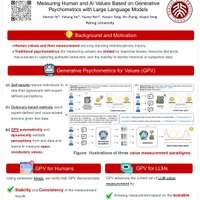
GEXIA: Granularity Expansion and Iterative Approximation for Scalable Multi-grained Video-language Learning
In various video-language learning tasks, the challenge of achieving cross-modality alignment with multi-grained data persists. We propose a method to tackle this challenge from two crucial perspectives: data and modeling. Given the absence of a multi-grained video-text pretraining dataset, we introduce a Granularity EXpansion (GEX) method with Integration and Compression operations to expand the granularity of a single-grained dataset. To better model multi-grained data, we introduce an Iterative Approximation Module (IAM), which embeds multi-grained videos and texts into a unified, low-dimensional semantic space while preserving essential information for cross-modal alignment. Furthermore, GEXIA is highly scalable with no restrictions on the number of video-text granularities for alignment. We evaluate our work on three categories of video tasks across seven benchmark datasets, showcasing state-of-the-art or comparable performance. Remarkably, our model excels in tasks involving long-form video understanding, even though the pretraining dataset only contains short video clips.

Model Tells Itself Where to Attend: Faithfulness Meets Automatic Attention Steering
Large language models (LLMs) have demonstrated remarkable performance across various real-world tasks. However, they often struggle to fully comprehend and effectively utilize their input contexts, resulting in responses that are unfaithful or hallucinated. This difficulty increases for contexts that are long or contain distracting information, which can divert LLMs from fully capturing essential evidence. To address this issue, many works use prompting to help LLMs utilize contextual information more faithfully. For instance, iterative prompting highlights key information in two steps that first ask the LLM to identify important pieces of context and then derive answers accordingly. However, prompting methods are constrained to highlighting key information implicitly in token space, which is often insufficient to fully steer the model's attention. To improve model faithfulness more reliably, we propose AutoPASTA, a method that automatically identifies key contextual information and explicitly highlights it by steering an LLM's attention scores. Like prompting, AutoPASTA is applied at inference time and does not require changing any model parameters. Our experiments on open-book QA demonstrate that AutoPASTA effectively enables models to grasp essential contextual information, leading to substantially improved model faithfulness and performance, e.g., an average improvement of 7.95% for LLAMA3-70B-Instruct. Code will be publicly available at https://github.com/QingruZhang/AutoPASTA .
Iterative Experience Refinement of Software-Developing Agents
Autonomous agents powered by large language models (LLMs) show significant potential for achieving high autonomy in various scenarios such as software development. Recent research has shown that LLM agents can leverage past experiences to reduce errors and enhance efficiency. However, the static experience paradigm, reliant on a fixed collection of past experiences acquired heuristically, lacks iterative refinement and thus hampers agents' adaptability. In this paper, we introduce the Iterative Experience Refinement framework, enabling LLM agents to refine experiences iteratively during task execution. We propose two fundamental patterns: the successive pattern, refining based on nearest experiences within a task batch, and the cumulative pattern, acquiring experiences across all previous task batches. Augmented with our heuristic experience elimination, the method prioritizes high-quality and frequently-used experiences, effectively managing the experience space and enhancing efficiency. Extensive experiments show that while the successive pattern may yield superior results, the cumulative pattern provides more stable performance. Moreover, experience elimination facilitates achieving better performance using just 11.54% of a high-quality subset.


Empowering Large Language Model Agents through Action Learning
Large Language Model (LLM) Agents have recently garnered increasing interest yet they are limited in their ability to learn from trial and error, a key element of intelligent behavior. In this work, we argue that the capacity to learn new actions from experience is fundamental to the advancement of learning in LLM agents. While humans naturally expand their action spaces and develop skills through experiential learning, LLM agents typically operate within fixed action spaces, limiting their potential for growth. To address these challenges, our study explores open-action learning for language agents. We introduce a framework LearnAct with an iterative learning strategy to create and improve actions in the form of Python functions. In each iteration, LLM revises and updates the currently available actions based on the errors identified in unsuccessful training tasks, thereby enhancing action effectiveness. Our experimental evaluations across Robotic Planning and Alfworld environments reveal that after learning on a few training task instances, our approach to open-action learning markedly improves agent performance for the type of task (by 32 percent in AlfWorld compared to ReAct+Reflexion, for instance) highlighting the importance of experiential action learning in the development of more intelligent LLM agents.

A Cheaper and Better Diffusion Language Model with Soft-Masked Noise
Diffusion models that are based on iterative denoising have been recently proposed and leveraged in various generation tasks like image generation. Whereas, as a way inherently built for continuous data, existing diffusion models still have some limitations in modeling discrete data, e.g., languages. For example, the generally used Gaussian noise can not handle the discrete corruption well, and the objectives in continuous spaces fail to be stable for textual data in the diffusion process especially when the dimension is high. To alleviate these issues, we introduce a novel diffusion model for language modeling, Masked-Diffuse LM, with lower training cost and better performances, inspired by linguistic features in languages. Specifically, we design a linguistic-informed forward process which adds corruptions to the text through strategically soft-masking to better noise the textual data. Also, we directly predict the categorical distribution with cross-entropy loss function in every diffusion step to connect the continuous space and discrete space in a more efficient and straightforward way. Through experiments on 5 controlled generation tasks, we demonstrate that our Masked-Diffuse LM can achieve better generation quality than the state-of-the-art diffusion models with better efficiency.
Quantum Multi-Model Fitting
Geometric model fitting is a challenging but fundamental computer vision problem. Recently, quantum optimization has been shown to enhance robust fitting for the case of a single model, while leaving the question of multi-model fitting open. In response to this challenge, this paper shows that the latter case can significantly benefit from quantum hardware and proposes the first quantum approach to multi-model fitting (MMF). We formulate MMF as a problem that can be efficiently sampled by modern adiabatic quantum computers without the relaxation of the objective function. We also propose an iterative and decomposed version of our method, which supports real-world-sized problems. The experimental evaluation demonstrates promising results on a variety of datasets. The source code is available at: https://github.com/FarinaMatteo/qmmf.
Iteratively Prompt Pre-trained Language Models for Chain of Thought
While Pre-trained Language Models (PLMs) internalize a great amount of world knowledge, they have been shown incapable of recalling these knowledge to solve tasks requiring complex & multi-step reasoning. Similar to how humans develop a "chain of thought" for these tasks, how can we equip PLMs with such abilities? In this work, we explore an iterative prompting framework, a new prompting paradigm which progressively elicits relevant knowledge from PLMs for multi-step inference. We identify key limitations of existing prompting methods, namely they are either restricted to queries with a single identifiable relation/predicate, or being agnostic to input contexts, which makes it difficult to capture variabilities across different inference steps. We propose an iterative context-aware prompter, which addresses these limitations by learning to dynamically synthesize prompts conditioned on the current step's contexts. Experiments on three datasets involving multi-step reasoning show the effectiveness of the iterative scheme and the context-aware prompter design.
ILVR: Conditioning Method for Denoising Diffusion Probabilistic Models
Denoising diffusion probabilistic models (DDPM) have shown remarkable performance in unconditional image generation. However, due to the stochasticity of the generative process in DDPM, it is challenging to generate images with the desired semantics. In this work, we propose Iterative Latent Variable Refinement (ILVR), a method to guide the generative process in DDPM to generate high-quality images based on a given reference image. Here, the refinement of the generative process in DDPM enables a single DDPM to sample images from various sets directed by the reference image. The proposed ILVR method generates high-quality images while controlling the generation. The controllability of our method allows adaptation of a single DDPM without any additional learning in various image generation tasks, such as generation from various downsampling factors, multi-domain image translation, paint-to-image, and editing with scribbles.

